Foreigners in Vietnam can purchase both off-plan and ready-to-move-in property. Off-plan projects usually offer lower prices and potential capital appreciation, while ready-made properties allow for immediate personal use or rental income generation. The choice depends on your goals, budget, and investment strategy.
What you will learn from this article
- the difference between off-plan and ready-to-move-in property;
- the advantages and features of each option;
- which types of property are available to foreign buyers;
- when it is better to choose an off-plan project and when to opt for ready-made housing.
If you are considering buying real estate primarily as an investment, we recommend reading the article “Investing in Vietnam Real Estate: A Systematic Approach to Choosing a Strategy”, which examines five investment strategies in detail and explains which properties best suit each of them.
Off-Plan Property in Vietnam
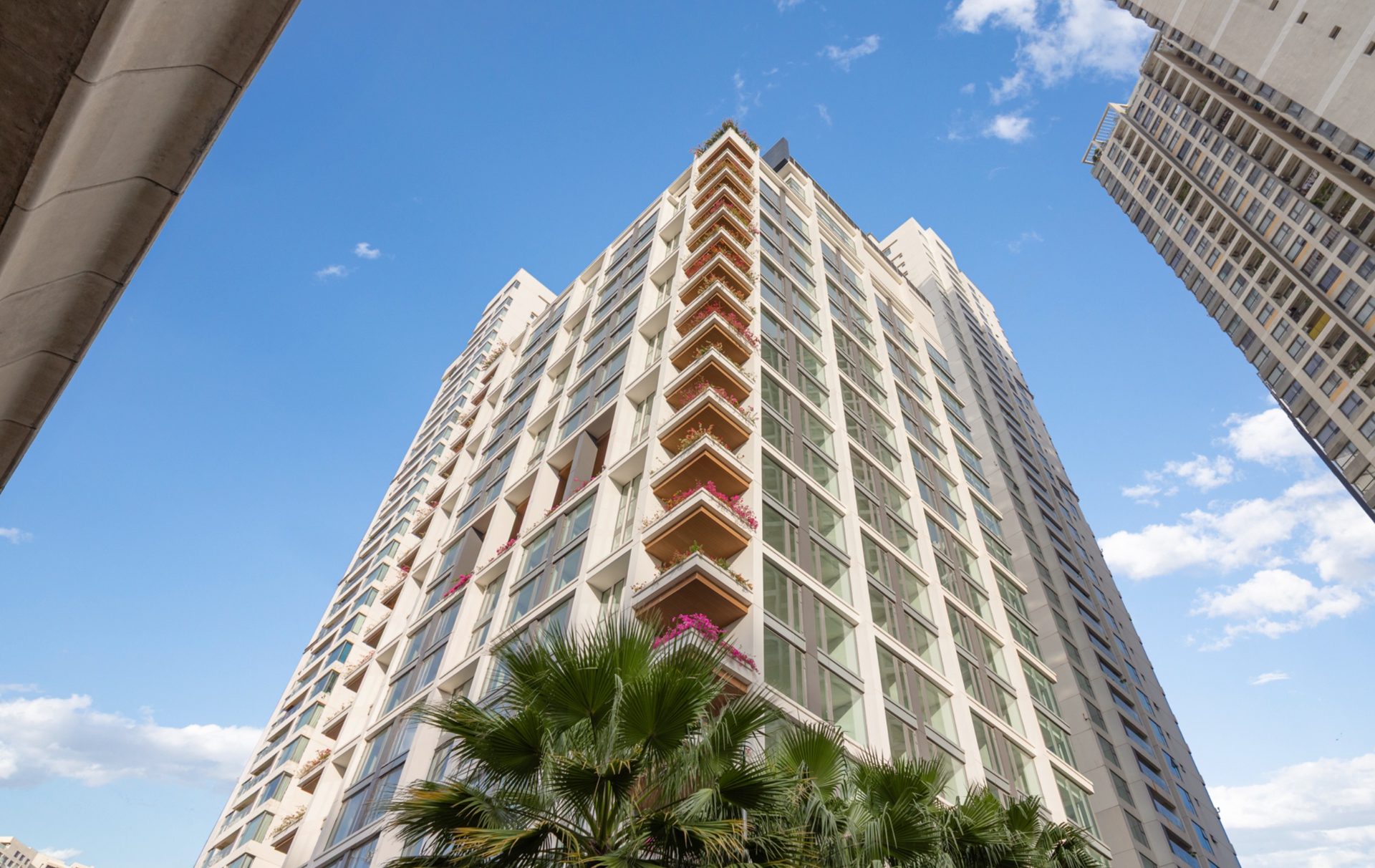
Off-Plan / Future-Formed Housing is a property purchased from a developer prior to the commissioning of the building. The buyer enters into a Sale and Purchase Agreement (SPA) with the developer and finances construction in stages according to a payment schedule.
This format remains the most popular among foreign investors due to its lower entry cost and the availability of installment plans.
Advantages of Buying Off-Plan Property
Purchasing an off-plan property allows you to:
- buy property at a lower price;
- take advantage of a flexible payment schedule;
- choose the most suitable layout, floor, or view;
- receive special terms for early buyers;
- count on property value appreciation by the time construction is completed.
Features and Risks of Buying Off-Plan Property
Buying property at the construction stage has its specifics:
- Risk of delay: even reliable developers can shift the handover schedule by 3–6 months.
- Permit documentation: some documents may still be in the process of being issued.
- Foreign quota: confirmation of the right to sell units to foreign buyers sometimes appears only after the project launch.
- Lack of immediate income: rental income can only be generated after construction, finishing work, and key handover are completed.
Before placing a deposit, it is important to conduct a comprehensive legal due diligence of the project, permit documentation, and verify the availability of the foreign quota.
Legal Protection Mechanisms for Buyers
Vietnamese law protects buyers of off-plan residential property through the following regulations:
- Foundation Readiness: a developer is not legally entitled to sign an SPA or accept major payments until foundation construction is fully completed and handed over to the state commission.
- Sales Permit: issued by the Department of Construction (DOC / Sở Xây dựng) only upon presentation of a complete package of approved project documentation.
- 70% Rule: under the Housing Law of Vietnam, a developer cannot collect a total of more than 70% of the property value from the buyer prior to the official commissioning of the building and key handover.
- Compulsory Construction Insurance: Vietnam is the only country in Southeast Asia with mandatory construction insurance for residential projects. Every buyer receives a named guarantee certificate confirming that their investment is insured. In the event of a project freeze or developer bankruptcy, the insurance company refunds 100% of the paid funds.
❗️Important: compulsory insurance applies to residential property, but not to tourist property, and is not active during the presale stage. Read more about the differences between residential and tourist property and other object types in the article “Property Types in Vietnam”.
Ready-to-Move-In Property in Vietnam
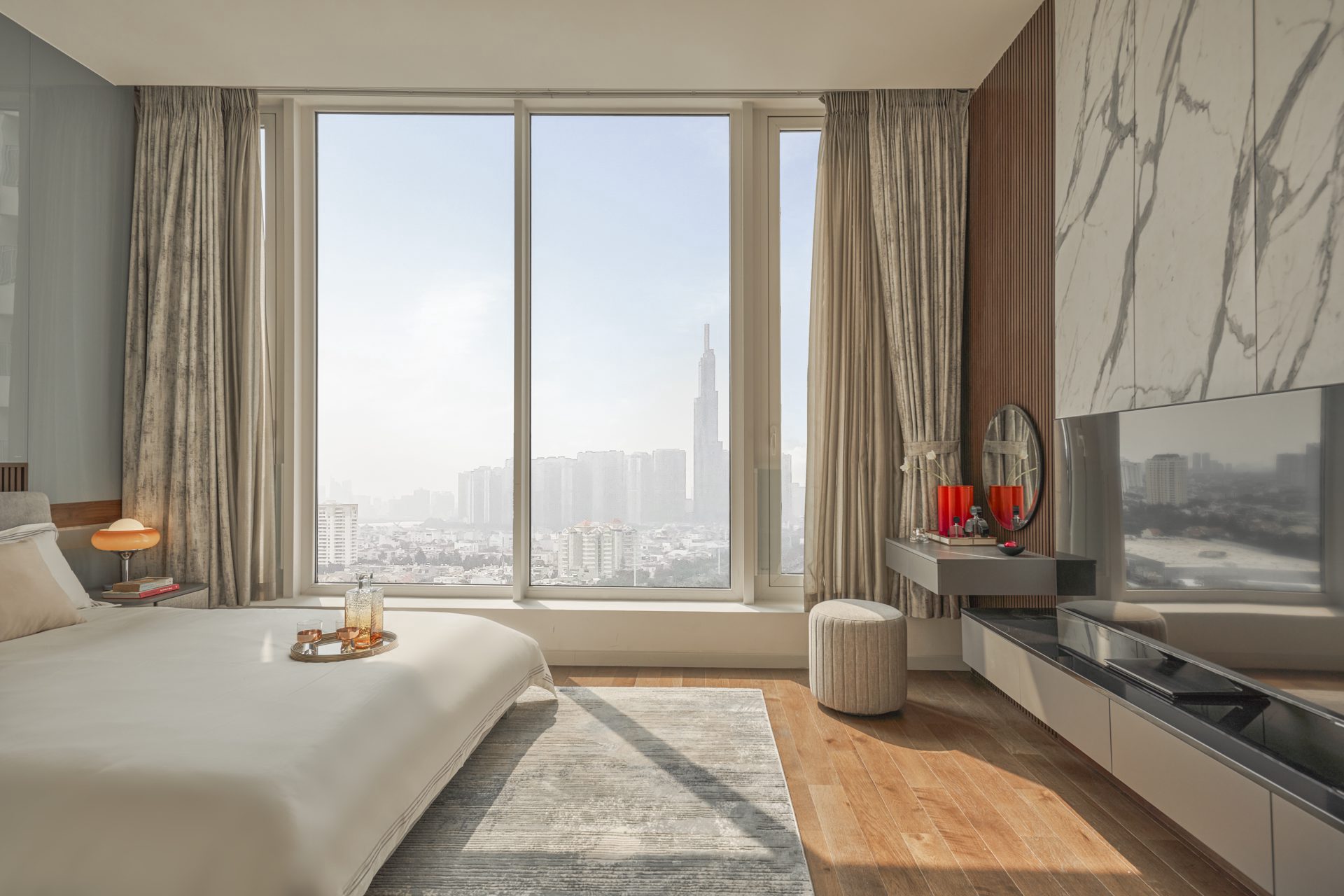
Ready-to-move-in property is a constructed and commissioned facility for which a handover certificate or state certificate of ownership (Sổ hồng / Pink Book) has been issued.
Ready housing is divided into two formats:
- Developer's primary stock: completed apartments in handed-over residential complexes that remain in direct sale from the developer.
- Secondary market: purchase of a ready apartment from the initial investor (via SPA assignment or Pink Book transfer).
Advantages of Buying Ready-to-Move-In Property
Purchasing a completed property allows you to:
- personally assess construction quality, finishing, engineering systems, and landscaping;
- eliminate construction delay and project freeze risks;
- move in immediately or start generating rental income right away.
Features and Risks of Buying Ready-to-Move-In Property
Buying a handed-over property has specific nuances:
- 95 - 100% upfront payment: ready housing requires a lump-sum payment of the full amount. If the property does not have a Pink Book yet, 95% of the cost is paid (the remaining 5% is transferred upon certificate issuance), and when buying an apartment with a ready Pink Book, 100% is paid. Meanwhile, bank loans and mortgages in Vietnam for foreigners are practically unavailable.
- Higher price: the cost per square meter in a completed building is higher than at the launch of sales.
- Limited selection: the best layouts, floor levels, and views are usually sold out during the construction phase.
- Additional upfront fees: upon receiving keys, you must immediately pay a 2% contribution to the Sinking Fund and Management Fees. These are covered in detail in the article “Mandatory Fees and Charges When Buying Property in Vietnam”.
Legal Rules and Restrictions of the Secondary Market
The “Foreigner ➡️ Foreigner” Rule: on the secondary market, a foreigner can purchase housing only from another foreign owner (Art. 17 of Housing Law No. 27/2023/QH15). Purchasing a property from a Vietnamese citizen is prohibited. Once an apartment is registered to a local resident, it exits the foreign quota (30% for apartments and 10% for villas), and the legal mechanism to convert it back to a foreigner is not provided by law.
Resale to Vietnamese Citizens: when reselling residential property to a Vietnamese citizen, the ownership status for the new local owner becomes freehold (Lâu dài) — instead of the 50-year limit applicable to foreign buyers. This is a significant liquidity factor: Vietnamese buyers willingly acquire such secondary properties as they receive full ownership rights.
Document Issuance Timelines: the procedure for issuing a state ownership certificate (Pink Book) by the Department of Natural Resources and Environment (DONRE) usually takes from 3 to 12 months after the building is commissioned. More legal nuances are described in the article “Property Ownership Rights for Foreigners”.
Comparison between Off-Plan and Ready Property
| Comparison Parameter | Off-Plan Property | Ready Property |
|---|---|---|
| Financial Threshold | Staged payments (up to 70% before handover) | Lump-sum payment of 95–100% of value |
| Payment Schedule | Installment plan for the full construction period | No installments (full sum required) |
| Receiving Rental Income | After completion of construction and finishing | Immediately after transaction completion and key receipt |
| Construction Risks | Protected by the 70% Law and bank guarantee | None (building is commissioned) |
| Choice of Options | Maximum choice at sales launch | Limited to remaining developer stock or secondary market |
| Secondary Market Purchase | SPA contract assignment | Purchase only from another foreigner |
Which to Choose: Off-Plan or Ready Property?
The choice between off-plan and ready property directly depends on your investment strategy. In this article we break down 5 key strategies — here is how property formats fit into them:
1. Structural Growth Strategy and Urban Cluster Capitalization Strategy
Goal: Maximum Capital Growth.
Format: Off-plan property at pre-launch or early construction stages. Allows locking in the minimum price per square meter and capturing capitalization by the time of handover.
2. Hotel Deficit Strategy and Lifestyle Strategy
Goal: Fast launch of a rental business (Rental Yield) or personal residence.
Format: Ready property. Allows you to immediately generate rental income or move into the apartment right away, completely eliminating construction risks.
3. Capital Concentration Strategy
Goal: Preservation of major assets and long-term capitalization.
Format: Premium and business-class off-plan property in emerging business districts of major metropolitan areas.
Summary
There is no universal solution: the choice between off-plan and ready property is determined by your planning horizon and budget. If the goal is to lock in the lowest cost per square meter and achieve maximum capital growth by handover, choose off-plan projects. If your key objective is to eliminate construction risks, move in immediately, or launch a rental stream, ready housing is the optimal choice.
Need Help Selecting Property?
Before placing a deposit, it is crucial to conduct comprehensive legal due diligence of the project, confirm the presence of a bank guarantee, and verify the remaining foreign quota balance.
The VINPROP team will help assess risks, select properties tailored to your investment strategy, and fully accompany the transaction.
FAQ
Can I buy an apartment at the construction stage remotely?
You can reserve a unit and make a deposit remotely. However, legally signing the Sale and Purchase Agreement (SPA) requires physical presence in Vietnam.
Can a foreigner buy property on the secondary market?
Yes, but only from another foreign owner. Vietnamese public notaries do not notarize "Vietnamese to foreigner" transactions as they lack access to the state database and developer registries to verify the foreign quota limit (30% for apartments and 10% for landed houses/villas).
In what condition are apartments handed over by the developer?
In off-plan complexes, 90–95% of apartments are handed over fully finished, including built-in kitchens, equipped bathrooms, flooring, installed lighting, and air conditioners. To start renting or move in, you only need to purchase soft furniture, textiles, and home appliances. For a remote solution, VINPROP offers the “Property Furnishing” service to fully prepare the property for living.
What happens if the developer delays construction or goes bankrupt?
For residential property in Vietnam, compulsory construction insurance applies. When purchasing property under an SPA, the buyer receives a named guarantee certificate. In the worst-case scenario, if a project is frozen or the developer goes bankrupt, the insurance company refunds 100% of the invested funds.
Is it possible to resell property before completion or receiving the Pink Book?
Yes. There are no time restrictions on resale in Vietnam. An investor can sell the property during construction, before key handover, or prior to the issuance of the ownership certificate (Pink Book).
What is a Pink Book and when is it issued?
The Pink Book (Sổ hồng) is the official state title deed for real estate in Vietnam. It is processed and issued some time (usually 3 to 12 months) after the property is commissioned and keys are handed over. Not having the physical Pink Book in hand does not restrict the owner's right to live in the apartment, rent it out, or resell it.
What taxes are paid upon purchase, ownership, and sale of property?
Upon purchase, a 10% VAT and a 0.5% registration fee are paid when issuing the ownership certificate (Pink Book). There is no annual property tax in Vietnam. Upon sale, the owner pays a 2% personal income tax on the transaction value. Read more about all details in our article “Property Taxes in Vietnam”.
Does buying property grant the right to a visa or temporary residence permit (TRC)?
Directly purchasing property in Vietnam does not confer visa privileges or an automatic residence permit. Property is acquired for personal residence or investment, while legal stay and residency issues are resolved separately based on current legal regulations.