Property types in Vietnam are classified according to two key parameters: physical format (residential apartments, villas, townhouses, shophouses, officetels) and land-use legal status (social housing, tourist property, and residential property). For a foreign investor, the land-use category is decisive: it defines the property's purchase availability, the type of title document (Pink Book or lease agreement), and the ultimate asset liquidity on the secondary market.
Vietnamese legislation (Housing Law No. 27/2023/QH15 and Land Law No. 31/2024/QH15) clearly regulates the rights of foreign nationals: foreigners can buy property only within approved development projects under state-established quotas (30% for apartments and 10% for villas/townhouses) directly from the developer or another foreign owner.
What you will learn from the article:
- The 3 basic legal statuses of real estate in Vietnam and their availability to foreigners;
- Why social housing is strictly legally prohibited for foreign nationals;
- The difference between residential property (Nhà ở thương mại) and tourist apartments (Căn hộ du lịch / Condotel);
- Physical property formats: from historical low-rise buildings to premium villas, apartments, and shophouses;
- Features of hybrid formats (Officetel, Condotel) and regulatory mechanisms under Decree No. 10/2023;
- Clear comparative tables on legal types and investment characteristics of properties.
Part 1. Three Basic Legal Property Statuses
Before evaluating the architecture or location of a project, an investor needs to determine the legal category to which the property administratively belongs. In Vietnam, three main real estate legal regimes are distinguished:
Basic Overview of Housing Legal Regimes
| Comparison Parameter | Social Housing (Nhà ở xã hội) | Tourist Property (Căn hộ du lịch) | Residential Property (Nhà ở thương mại) |
|---|---|---|---|
| Availability for Foreigners | Prohibited | Available (equal rights with locals) | Available (within quota) |
| Ownership Term | — | Remaining land lease term up to 50 years | 50 years + 50 years extension |
| Legal Document | Not available | Long-term lease agreement | Pink Book (Sổ hồng) |
1. Social Housing (Nhà ở xã hội) — STRICT PROHIBITION
- Essence and purpose: State-subsidized housing built for low-income population categories, impoverished families, civil servants, and military personnel.
- Legal status: Vietnamese legislation strictly restricts the range of individuals entitled to purchase properties in this category. Even many Vietnamese citizens are subject to a strict income/property test.
- Availability for foreigners: Completely prohibited. Foreign nationals have no right to purchase or own social real estate under any tenure or circumstances.
- Risks of illegal schemes: On the secondary market, there are offers to purchase apartments in social complexes through grey schemes — via power of attorney from a Vietnamese citizen or attempts to informally modify data in the ownership certificate. Such transactions are illegal. A power of attorney can be revoked by the principal or their heirs at any moment, leading to a complete loss of investment.
2. Tourist Property (Căn hộ du lịch / Condotel)
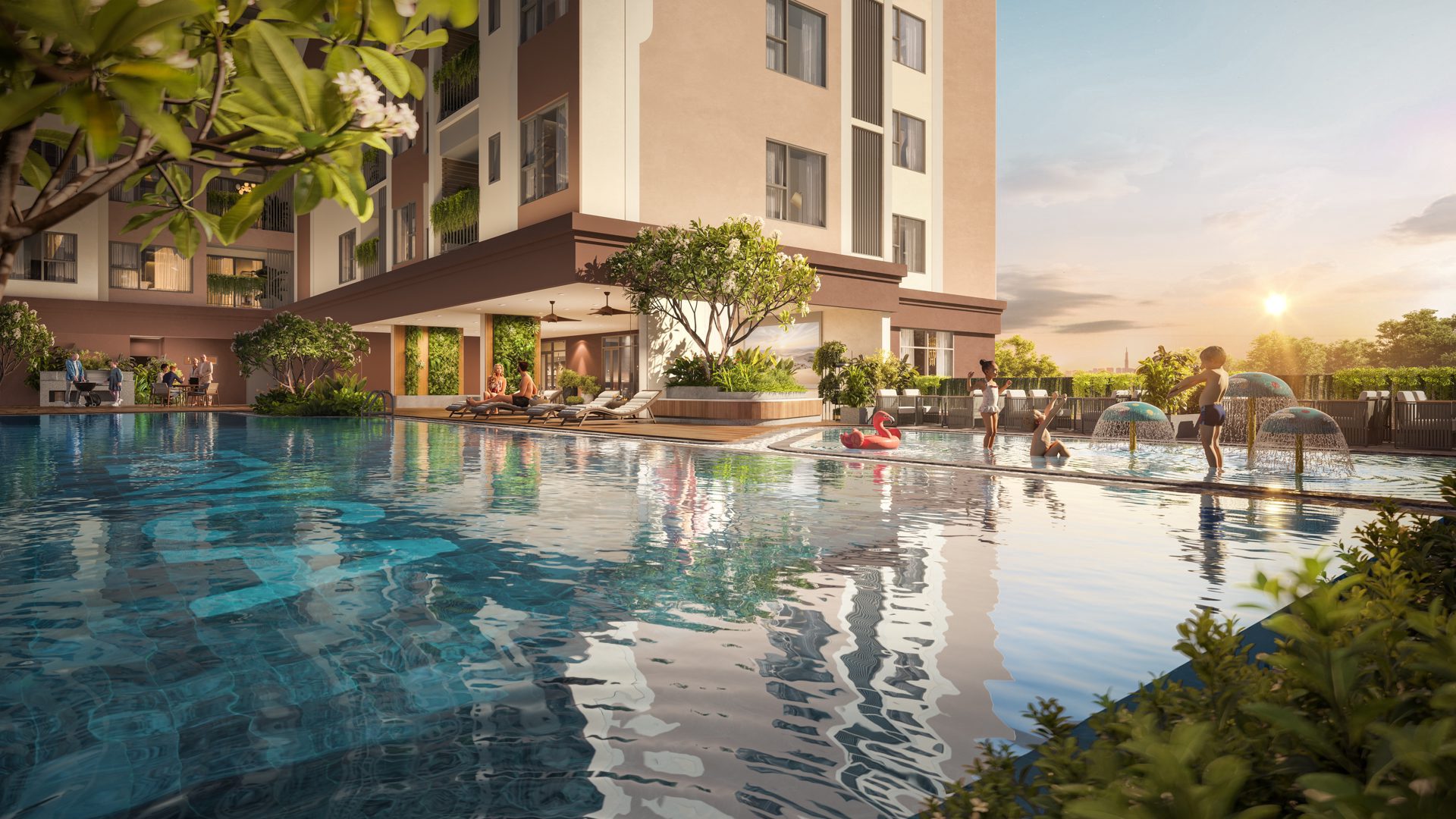
- Essence and purpose: Apartments located in commercial and tourist-oriented complexes, focused on short-term accommodation and rental generation.
- Legal status: Projects are constructed on commercial/service land (Đất thương mại, dịch vụ), leased by the developer from the state for 50 years (in rare cases — up to 70 years).
- Ownership format: Upon purchase, the investor (both foreign and Vietnamese citizens) signs a long-term lease contract (Leasehold), tied to the remaining term of the developer's land lease from the state. The rights of local and foreign buyers in this case are completely identical.
- Regulatory features: Tourist real estate projects are not subject to standard residential protective mechanisms (no mandatory developer insurance against construction non-completion risks, possibility of collecting over 70% of payment before project handover). Temporary residence registration (Tạm trú) is permitted in such properties, but permanent residential registration (Hộ khẩu) is not provided by law.
3. Residential Property (Nhà ở thương mại) — THE MAIN INVESTOR CHOICE
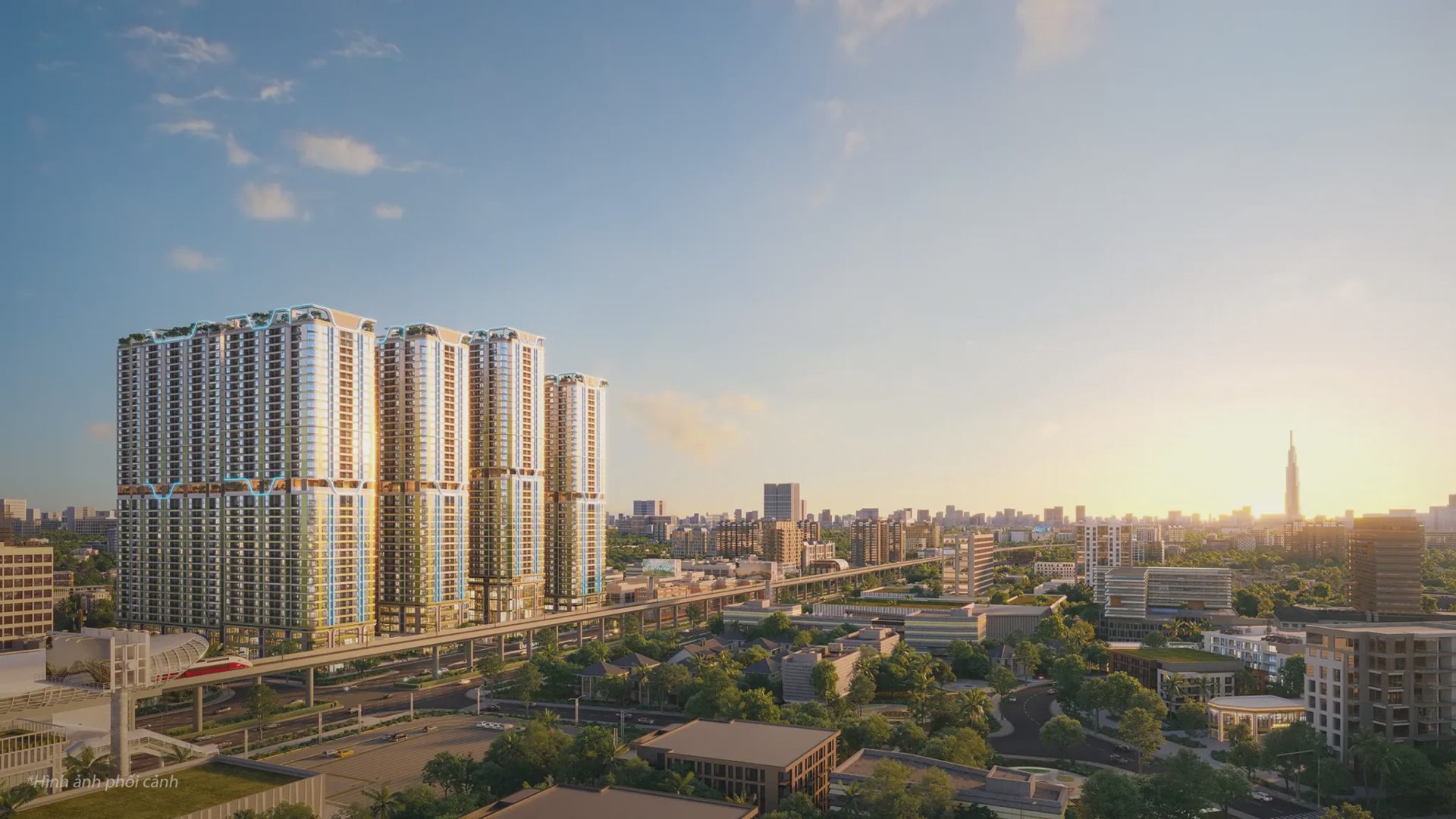
- Essence and purpose: Full-fledged multi-apartment residential complexes, townhouses, and villas built by developers for free circulation on the open market.
- Legal status: Projects are built on residential land (Đất ở). The developer obtains permanent/long-term land use rights to implement the project.
- Ownership format: Buyers receive an ownership certificate — "Pink Book" (Pink Book / Sổ hồng).
- Vietnamese citizens: receive freehold / long-term ownership (Lâu dài).
- Foreign nationals: receive ownership rights for 50 years with an established regulation to extend this term for another 50 years (total up to 100 years).
- Key liquidity advantage: When reselling the property from a foreigner to a Vietnamese citizen, the latter receives the property with permanent freehold tenure. Because of this, apartment liquidity does not decline over time due to a shortening ownership term.
Part 2. Physical Property Formats in Vietnam
In Vietnam's urban housing market, nhà phố / nhà liền kề — narrow "tube houses" combining ground-floor business with family living upstairs — historically predominated. This "live-work" model was central to Vietnamese urban culture for centuries.
Since the early 2000s, large-scale master plans began to introduce:
- modern townhouses and villas,
- uniform commercial-residential streets within projects,
- high-rise residential condominiums,
- and entirely new hybrid property types (officetel, condotel, SOHO, SOFO, SOVO).
As a result, Vietnamese experts typically group real estate properties as follows:
- Traditional property types — historically rooted or mainstreamed.
- Modern/hybrid property types — created through recent development and regulatory innovations.
Traditional Property Types
These categories are familiar or mainstream directions in the market.
Land Plots (Đất nền)
Land plots include:
- Project land plots (đất nền dự án) within master development plans,
- Freehold/private land plots (đất nền tự do / thổ cư) outside projects.
Key Characteristics
- Long-established cultural store of value.
- Strong growth potential driven by urban expansion and infrastructure.
- High sensitivity to zoning, planning, and land-use rights legalities.
- Maximum flexibility for owners (build/hold/trade).
Investor Considerations
- Preferred by domestic investors for capital appreciation.
- Requires thorough due diligence.
- Foreigners cannot directly own land, only buildings on the land → a special structure is required.
Private Houses and Street-Front Houses (Nhà riêng, nhà mặt phố)
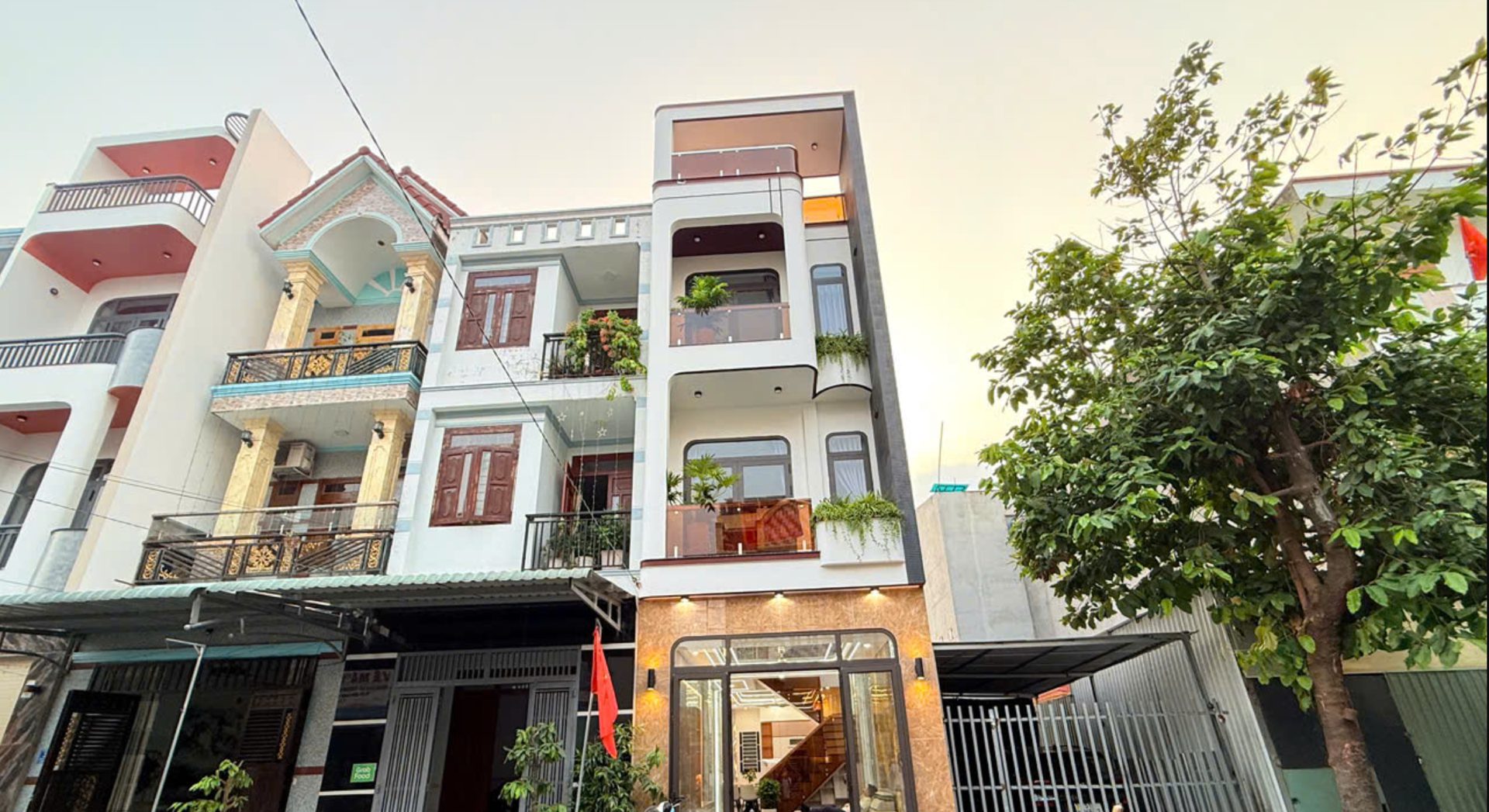
Standalone multi-story houses built on private residential land. Nhà mặt phố are iconic street-front houses traditionally used as shop + housing.
Key Characteristics
- Owners hold full land use rights and home ownership rights.
- Prime location, naturally high commercial value.
- Scarcity drives high prices in city centers.
- No design restrictions
Investor Considerations
- Excellent capital preservation in central areas.
- Often expensive, limited availability.
- Purchase eligibility for foreign buyers varies.
Adjoining Houses and Townhouses (Nhà liền kề, nhà phố dự án)
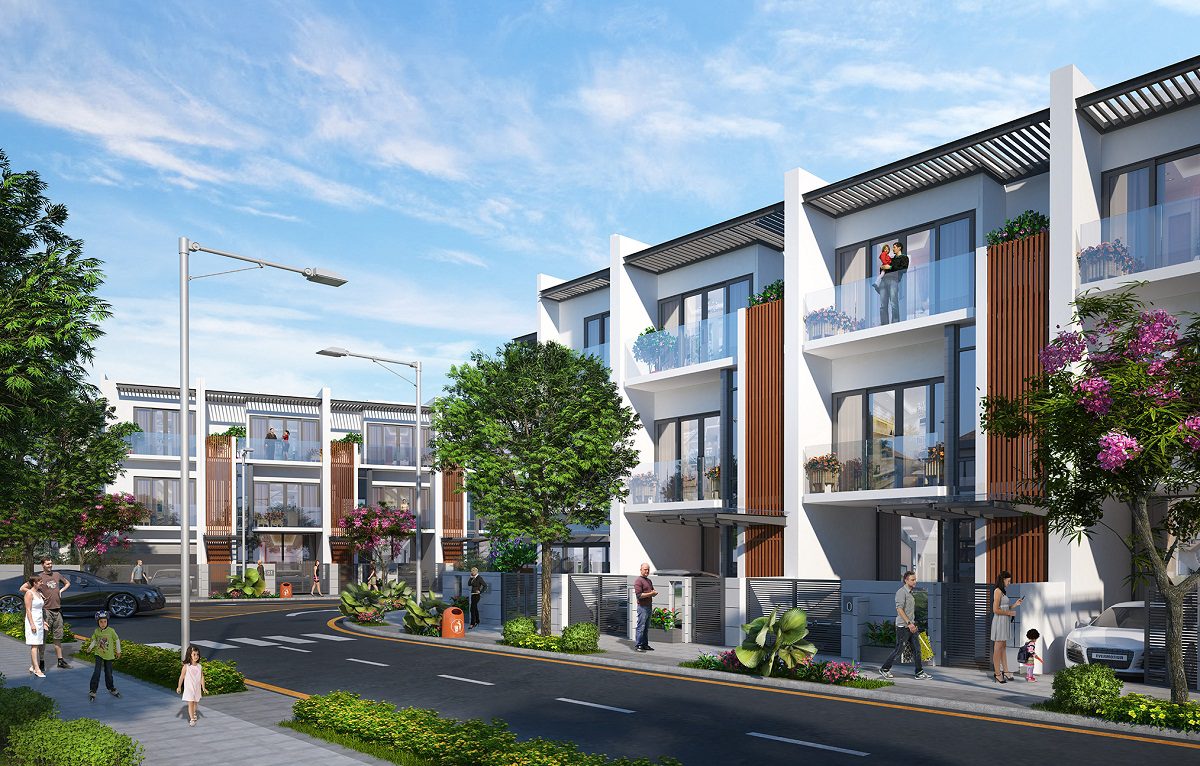
Modern planned versions of tube houses within master-planned urban areas.
Key Characteristics
- Uniform design, 2–4 floors, internal roads and infrastructure.
- Targeted at families seeking low-rise living within structured planning.
- Facade design restrictions
Investor Considerations
- Stable long-term demand.
- Less speculative than land; more focused on lifestyle.
- Foreign eligibility depends on the project.
Project Villas (Biệt thự dự án)
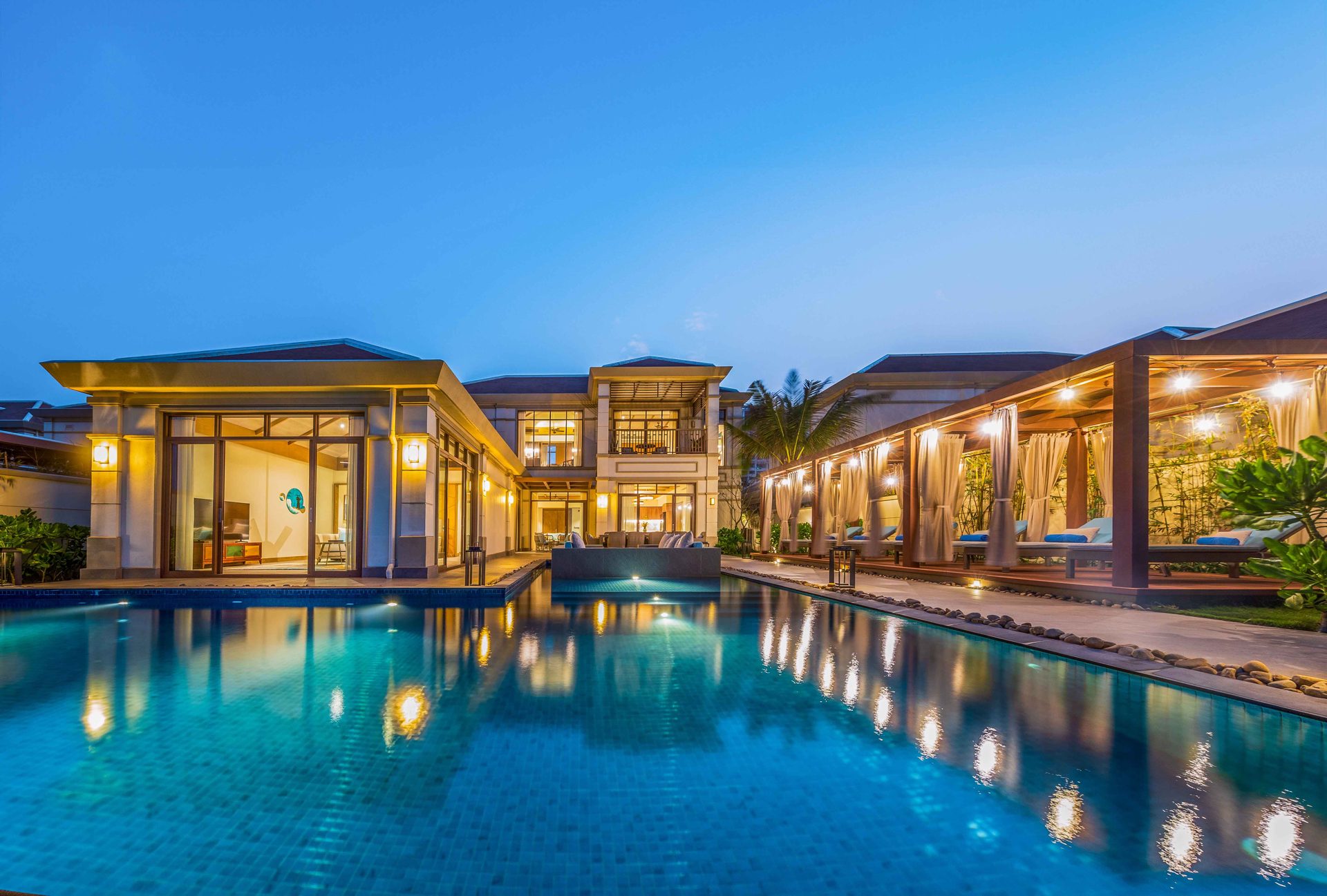
Luxury standalone homes located in gated communities or premium master plans.
Key Characteristics
- Large layouts, private gardens, high-end amenities.
- Designed for high-income families.
- Vary by type as standalone villa, semi-detached villa / duplex villa.
Investor Considerations
- Focused on capital growth rather than yield.
- High entry price.
- Often limited foreign quota.
Residential Apartments (Căn hộ chung cư)
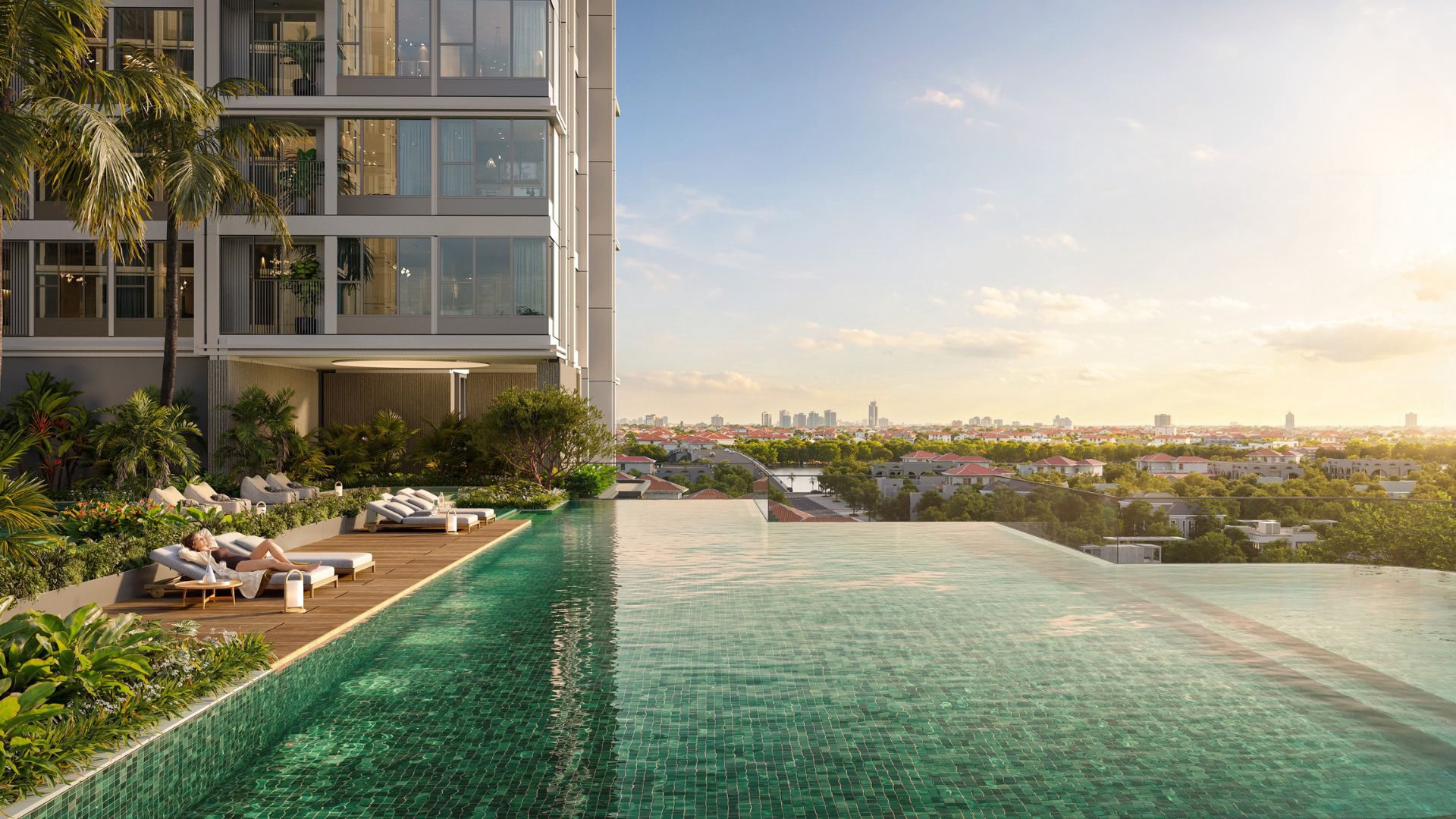
High-rise and mid-rise condominiums widely popular in major cities.
Key Characteristics
- Full amenities (swimming pool, gym, security, parks).
- Wide selection of layouts and price ranges.
- Regulated management and ownership systems.
- Easier to resell on the secondary market
Investor Considerations
- The simplest pathway for foreign buyers (30% quota).
- High rental demand, good liquidity.
- Ongoing management fees and sinking funds apply.
Industrial Real Estate (Factories, warehouses, IZ)
A mature segment tied to manufacturing growth in Vietnam.
Key Characteristics
- Long-term lease within industrial zones.
- High demand from multinational manufacturers.
Investor Considerations
Typically corporate-level investments rather than individual retail purchases. Stable long-term occupancy.
Resort Villas (Biệt thự nghỉ dưỡng)
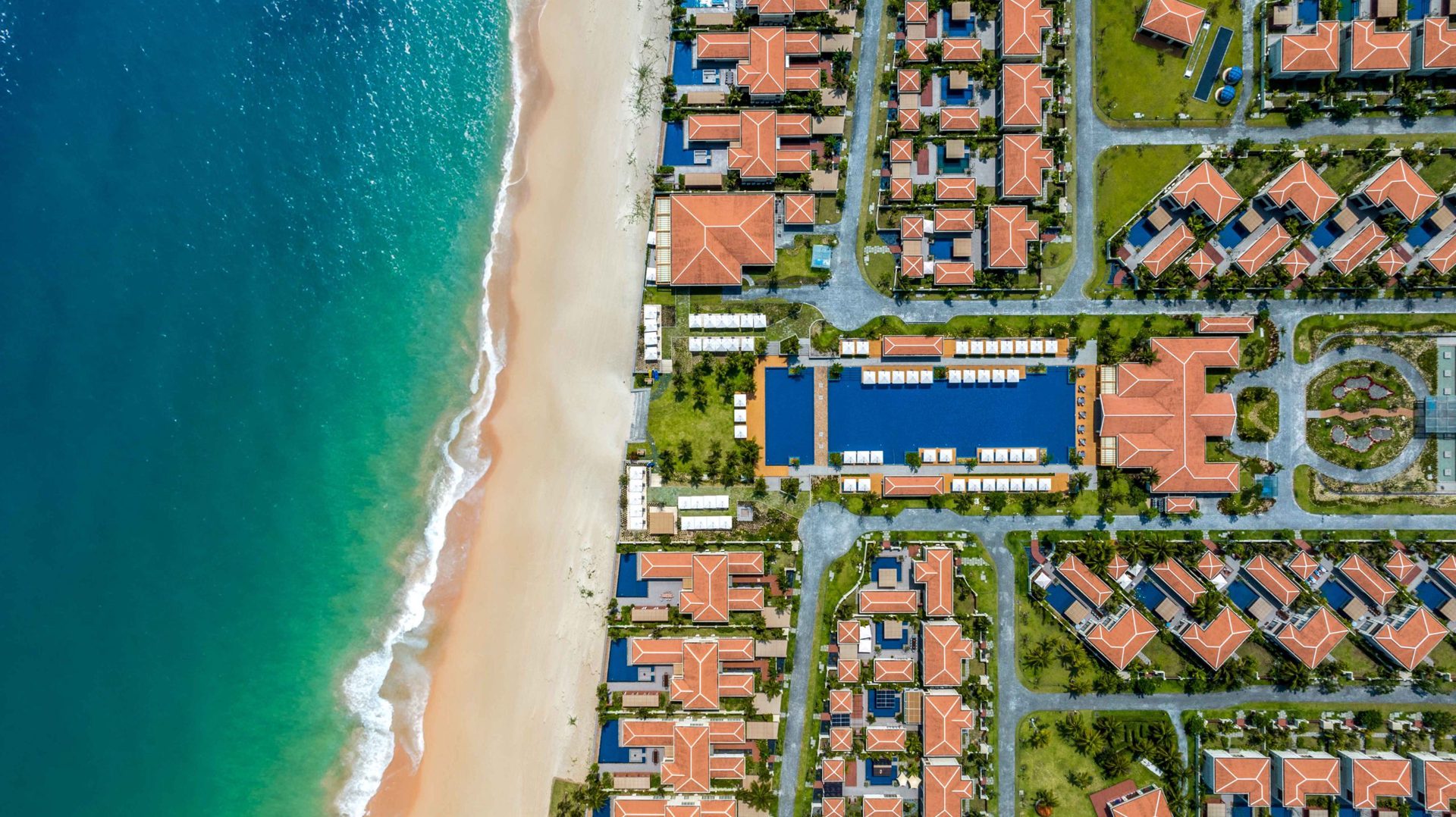
A premium real estate format actively developing in coastal regions.
Key Characteristics
Spacious leisure-oriented villas, most often located in gated grounds and managed by international or major local hotel brands.
Investor Considerations
Foreign nationals can purchase such properties under approved development projects within state-established quotas (within the 10% foreign quota for villas).
Shophouse (Nhà phố thương mại) — Evolution of a Traditional Type
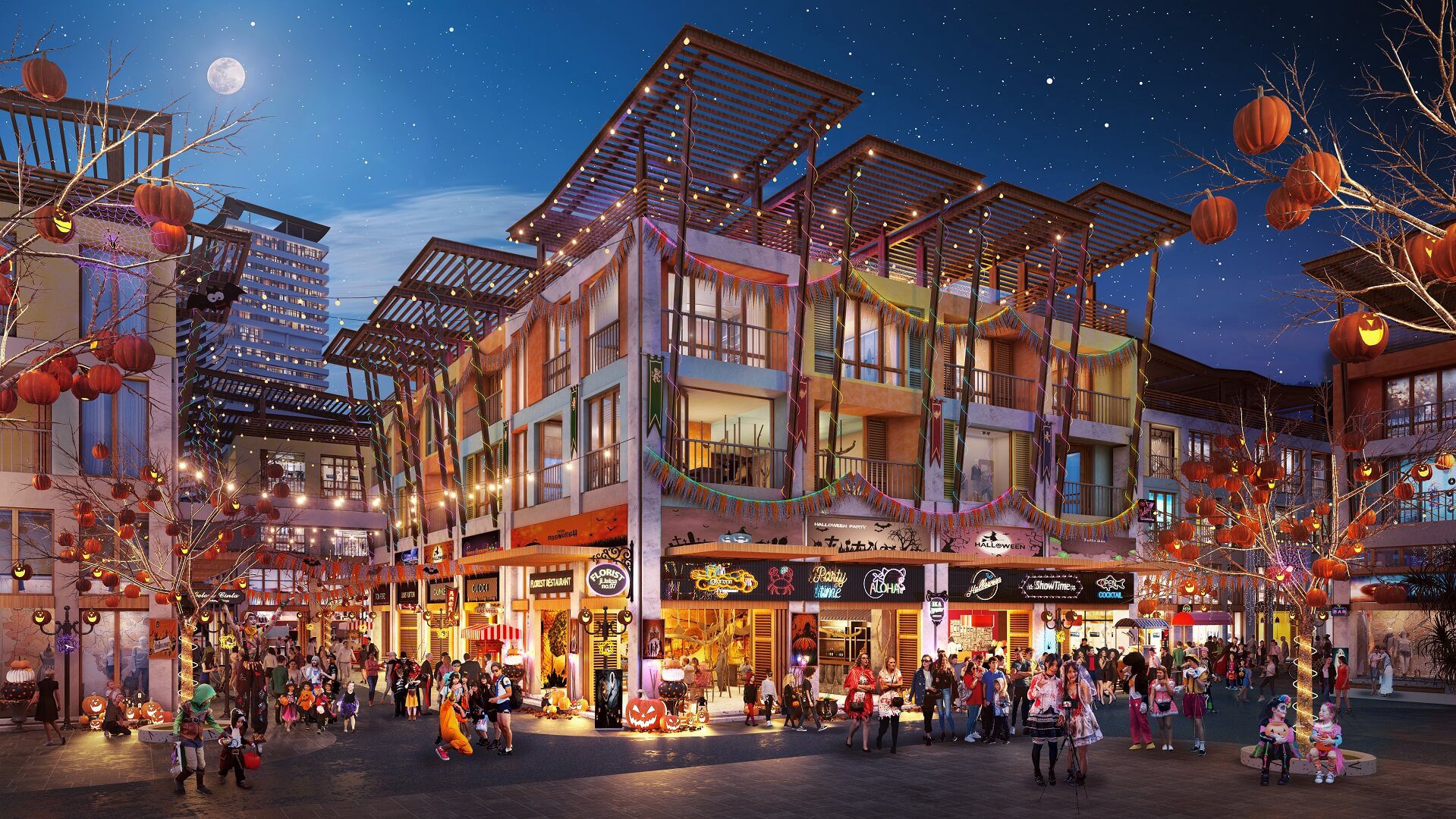
A shophouse is not a new hybrid product. It is a modern evolution of the traditional Vietnamese street-front house, where:
- Ground floor = commercial
- Upper floors = residential
Today's shophouse adapts this long-standing model into project master plans.
Key Characteristics
- Part of planned internal commercial streets.
- 2–4 floors with uniform architecture.
- Designed for live-work flexibility.
Limited supply (typically 3–5% of project units) → scarcity drives value.
Legal Status
Not a separate legal category. Land type dictates ownership term:
- Residential land → long-term / freehold
- Commercial land → 50-year term
Eligible for an ownership certificate if the project meets legal requirements.
Investment Profile
Strengths
- Higher rental yield than apartments (often 8–12%).
- High commercial value and foot-traffic positioning.
- Strong long-term appreciation.
Considerations
- High entry price.
- Ownership term varies based on land type.
Officetel — A True Modern Hybrid Type

Officetel = Office + hotel (temporary stay).
Introduced in the 2010s as a new multi-functional urban product.
Characteristics
- Located in mixed-use towers.
- Typical size 25–50 m².
- Allows small businesses to register an address and stay short-term.
Legal Framework
- Built on commercial land → 50-year ownership term.
- Historically not classified as residential (no permanent hộ khẩu).
- Decree 10/2023 allows issuance of ownership certificates upon meeting requirements.
Investment Profile
- Lower entry price.
- High demand among SMEs and freelancers.
- Requires understanding of evolving regulations.
Condotels in Vietnam — Overview, Legal Status, and Considerations
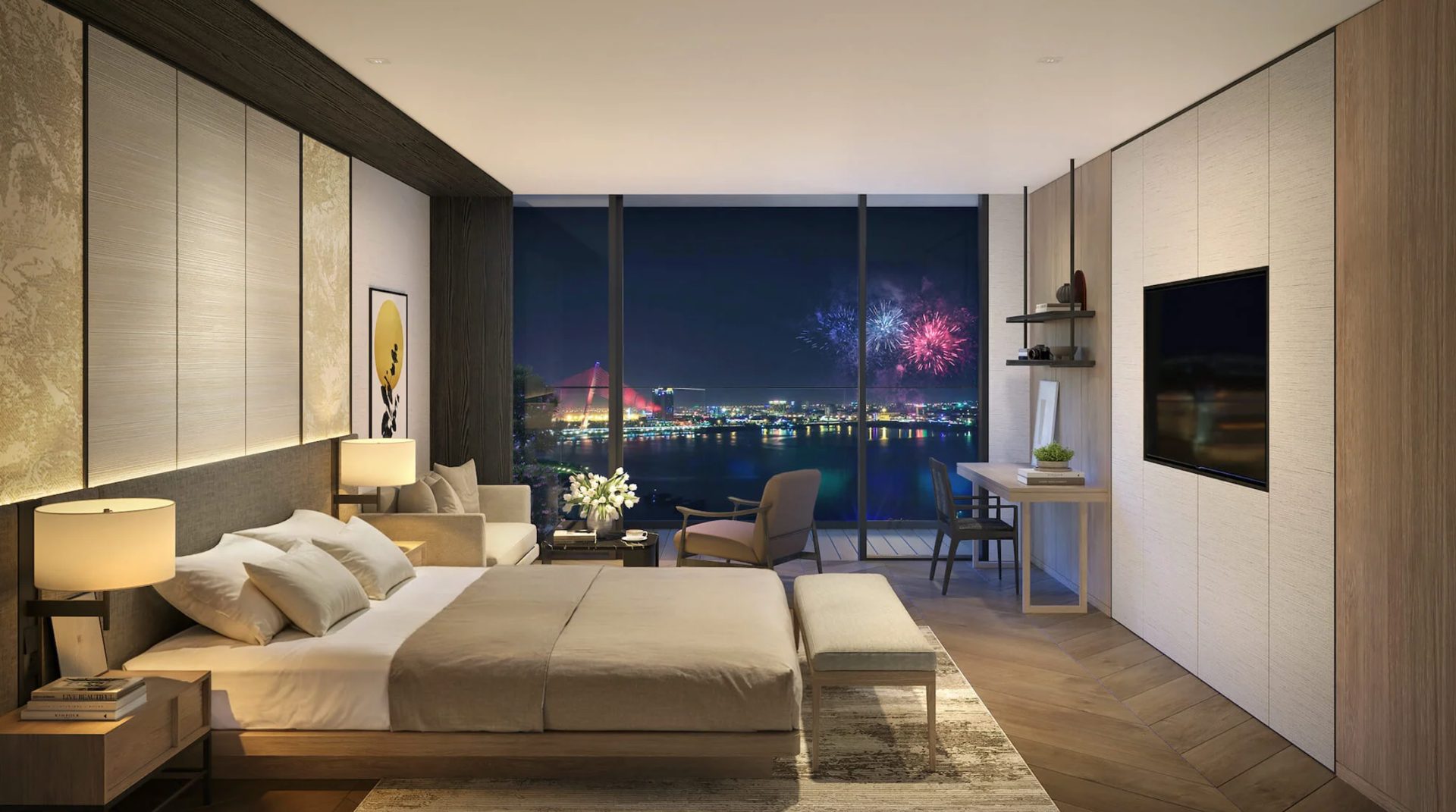
What is a Condotel?
A hybrid of tourism and accommodation ("condo + hotel"), used for personal vacation or rental income generation via hotel-style management.
Legal Status
- Typically built on commercial/service land → 50-year term.
- Historically legally ambiguous; ownership certificates were uncertain.
- Decree 10/2023 permits certificate issuance for compliant projects.
- Due diligence on each project remains essential.
Investor Appeal
- Access to resort use + potential rental income.
- Lower price point than resort villas.
- Attractive in locations with high tourism levels.
Guaranteed Rental Return (GRR) Programs — Brief Context
Unlike Thailand, Bali, and Cambodia, where GRR is common, Vietnam sees far fewer such programs today.
Why:
- GRR schemes were popular only during the boom period in the mid-2010s.
- Trust declined after a major resort project (specifically Cocobay Danang) halted guaranteed payouts.
- The subsequent tourism downturn due to COVID-19 prevented the model from recovering.
Today, GRR programs appear only selectively and are structured more conservatively.
Note for Investors
Participation in any guaranteed yield program requires thorough due diligence:
- developer and operator capabilities,
- legal documentation,
- rental pool structure,
- assumptions underlying projected returns.
- project location must be in or near a tourist area
- reputation of the operating/management unit
General Considerations for Condotel Buyers
- Verify certificate eligibility and land use type.
- Consider operator track record and lease structure.
- Recognize tourism-driven demand cycles.
- Understand that resale liquidity varies by region and project.
- Remaining ownership term
- Guaranteed rental return and total GRR duration
Part 3. Comparative Analysis of Main Investment Types
The table below presents a detailed comparative analysis of the three key real estate formats most frequently considered by investors:
| Comparison Parameter | Condotel | Apartments (Căn hộ chung cư) | Shophouse (Nhà phố thương mại) |
|---|---|---|---|
| Type | Tourist hybrid | Residential | Traditional live-work |
| Primary Use | Short-term stay + rental pool | Long-term residence | Commerce + housing |
| Land Type | Commercial/Service | Residential | Residential or Commercial |
| Ownership Certificate | Possible (project dependent) | Always (residential) | Depends on land type |
| Ownership Term | ~50 years | Long-term / 50 years with renewal option (foreigners) | Long-term or 50 years |
| Foreign Eligibility | Yes, if project permits | Yes, 30% quota | No |
| Residence Registration | Not permitted | Permitted | Only if residential land |
| Rental Model | Hotel pool; GRR rare | Residential rental | Commercial rental |
| GRR Programs | Rare today; require due diligence | Not applicable | Not applicable |
| Typical Yield | 6–10% (non-guaranteed) | 3–6% | 8–12% (commercial) |
| Capital Appreciation | Moderate | Stable | High (scarcity + foot traffic) |
| Liquidity | Moderate | High | High |
| Main Due Diligence Focus | Land use, certificate, operator, rental pool, GRR | Developer, management, quota | Land type, zoning, traffic |
| Ideal Buyer | Tourism-focused investors | End users and stable investors | Business owners and commerce-focused investors |
Summary: Key Takeaways for Investors
- Separate land and buildings: In Vietnam, land belongs to the state. Foreigners acquire land use rights and ownership rights to the building or apartment unit itself.
- Choose clear legal statuses: The most transparent instrument for a private investor remains residential apartments (Căn hộ chung cư) within the 30% foreign quota, secured via SPA and a "Pink Book".
- Consider the specifics of tourist and commercial hybrids: Condotels and Officetels offer attractive yields but require deeper analysis of land category and hotel operator management structures.
Professional Investment Support in Vietnam
Vietnam's real estate market offers high growth potential, but demands flawless legal due diligence at every stage of the transaction.
The VINPROP team helps foreign investors and companies safely select and purchase property:
- Legal due diligence audit: Verification of foreign quotas, land categories, developer permits, and title deeds.
- Property selection: Access to verified residential and commercial projects in Hanoi, Ho Chi Minh City, Nha Trang, Da Nang, and other key regions.
- Transaction management: Full process control — from reservation signing to receiving the "Pink Book" and property handover for management.
Need advice on choosing a format or legal project verification?
Contact us, and we will analyze your investment objectives.
FAQ
What real estate in Vietnam can a foreign national purchase?
A foreigner can purchase residential real estate (Nhà ở thương mại), tourist real estate (Căn hộ du lịch / Condotel), as well as hybrid formats (Officetel, commercial Shophouses). Buying standalone land plots without buildings or private street-front houses directly is prohibited.
How does tourist property fundamentally differ from residential property?
The main difference lies in the land category. Residential real estate is built on residential land, issued under a Sale and Purchase Agreement (SPA), and grants the right to receive a "Pink Book" for 50 years with extension rights. Tourist real estate is constructed on commercial land and issued under a long-term lease contract for the remaining term of the developer's land lease (up to 50 years).
Is the ownership term for residential real estate the same for foreigners and Vietnamese citizens?
No. Vietnamese citizens receive residential property under permanent freehold ownership (Lâu dài). Foreign nationals acquire ownership under a "Pink Book" for 50 years with a guaranteed right to extend for another 50 years (totaling up to 100 years).
Do the rights of foreigners and Vietnamese citizens differ when purchasing tourist property?
No. In the tourist real estate segment, the rights of local residents and foreign buyers are completely equal. Since the project is constructed on commercial land with a limited land lease term from the state to the developer (typically 50 years), both Vietnamese citizens and foreigners sign the same long-term lease agreement for that duration.
Can a foreigner legally buy social housing (Nhà ở xã hội)?
No, social housing is under a strict legal prohibition for foreign nationals. This segment is state-subsidized exclusively for low-income local populations. Any grey purchasing schemes via powers of attorney are illegal and lead to a total loss of funds.
Why do Shophouses in Vietnam have different ownership terms?
The ownership term depends on the category of land on which the complex is built. If a Shophouse is erected on residential land, the buyer receives long-term / freehold ownership rights. If the project is situated on commercial land, ownership rights are granted for the remaining term of the developer's land lease from the state (typically up to 50 years).