In December 2023, as the Vietnamese real estate market was experiencing one of its toughest periods in a decade, we purchased an apartment in Ho Chi Minh City for $150,000. Market sales were dropping. Mortgages had virtually come to a standstill. Many investors were holding out for further declines.
Today, in mid-2026, that same apartment is worth around $210,000. Growth sits at approximately 40%. All this time, it has been rented out.
Yet the most interesting part isn't even the numbers. The most compelling aspect is why we chose to buy back then in the first place—and why now, despite a 40% gain, we are in no hurry to sell.
Because this investment was never about a single apartment from the start. It was a bet on the transformation of an entire urban district. In this article, we break down the mechanics of this strategy—from the logic behind cluster selection to calculating yields.
What is the Urban Cluster Capitalization Strategy?
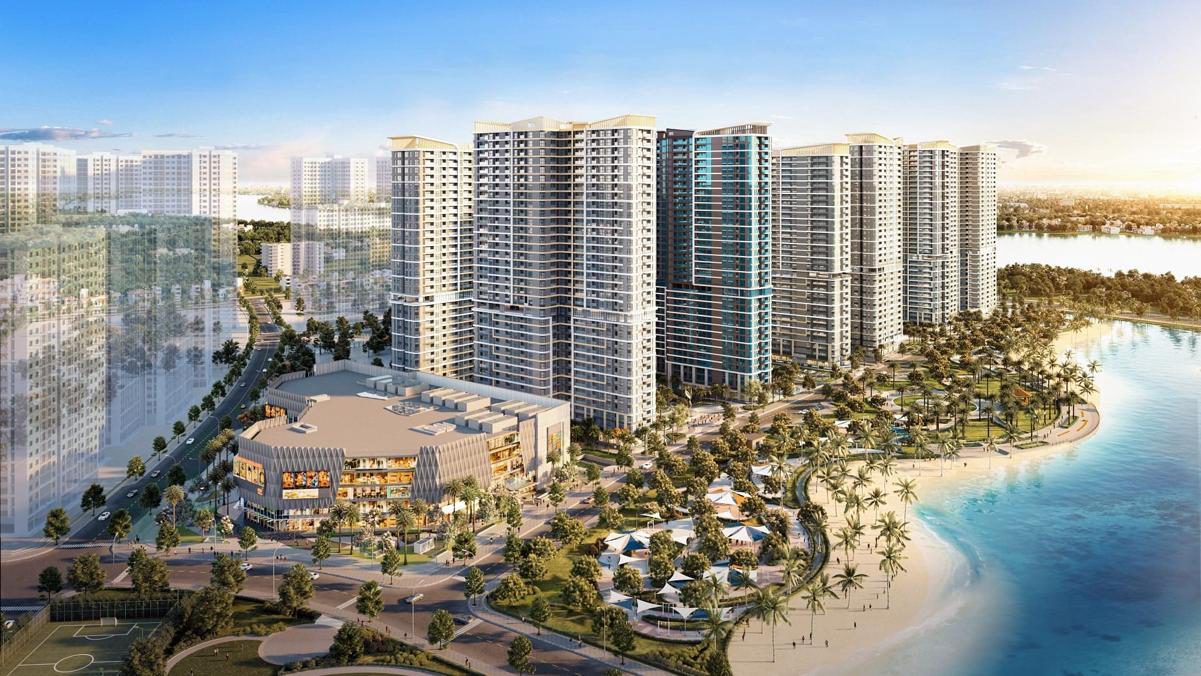
While the structural growth strategy operates at the level of industrial corridors and rising population incomes, the urban cluster strategy functions at a different level—the transformation of the urban environment.
Its core idea: invest in a territory where a new urban center is emerging, complete with its own economy, infrastructure, and sustainable demand. Not just a residential complex, but a city within a city.
The value creation mechanism unfolds along the following chain:
Infrastructure accessibility → employment → demand → liquidity → product evolution → territory revaluation
First come roads, metros, and transit corridors. Then, commercial and industrial activity along with job creation. Employment growth drives sustainable demand for housing. Demand deepens market liquidity. Liquidity transforms the product: higher-quality formats emerge on the market. Finally, product evolution triggers the revaluation of the entire territory.
In the early stages, value grows thanks to infrastructure. In more mature phases, growth is driven by the quality of the urban environment and the depth of the local economy. It is precisely this transition to maturity that generates the highest investment potential.
In Ho Chi Minh City, such locations emerge primarily where three conditions align: an existing economic base, a large-scale development project with phased delivery, and transport integration with the city center.
Why Crises Sometimes Offer the Best Entry Points
Let's rewind to late 2023. The impact of sharp interest rate hikes was still reverberating across the market. Mortgage lending had nearly halted. Transaction volumes shrank significantly. Many developers faced liquidity deficits.
At that point, a phenomenon that was previously rare appeared on the market: developers began offering extended installment plans even after handovers. Effectively, developer financing. However, these apartments were noticeably more expensive, with the price gap against cash purchases reaching 15–20%.
The market effectively split into two price tiers. For a buyer ready to enter immediately with cash, this created an opportunity to secure an asset at a discount that wouldn't be available in normal market conditions.
That was when we secured an apartment in Ho Chi Minh City at roughly a 12% discount off the base price. Additionally, a fitted kitchen, air conditioners, and home appliances were already included in the price.
Yet the crisis was not our investment strategy. The crisis simply provided a better entry price.
Had we not believed in this specific district, we wouldn't have bought it at any discount.
Grand Park: Why We Believed in This Cluster
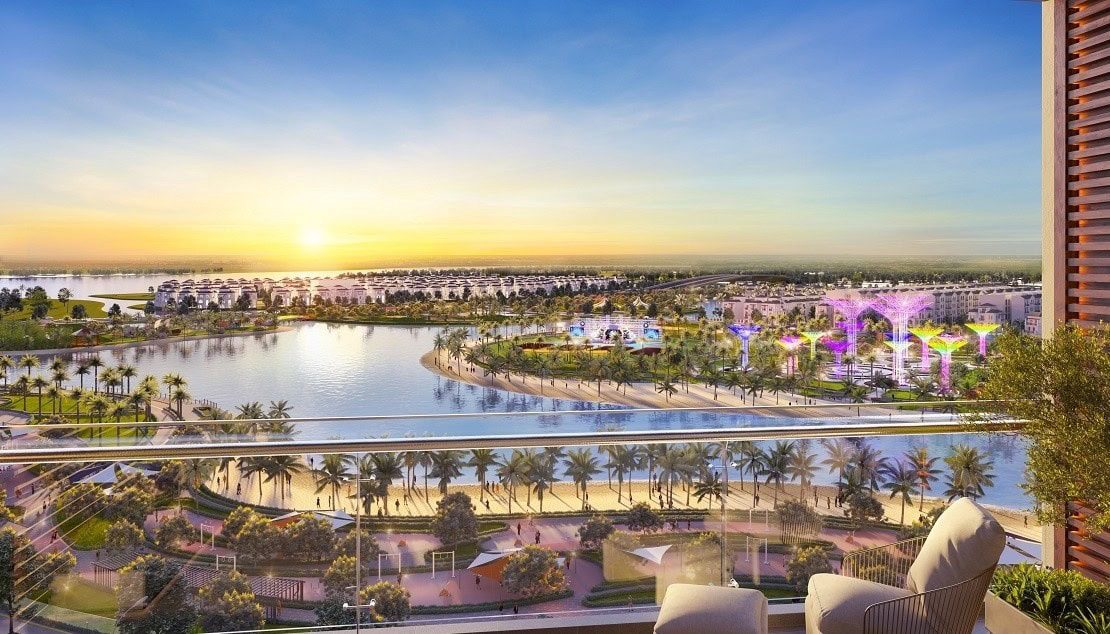
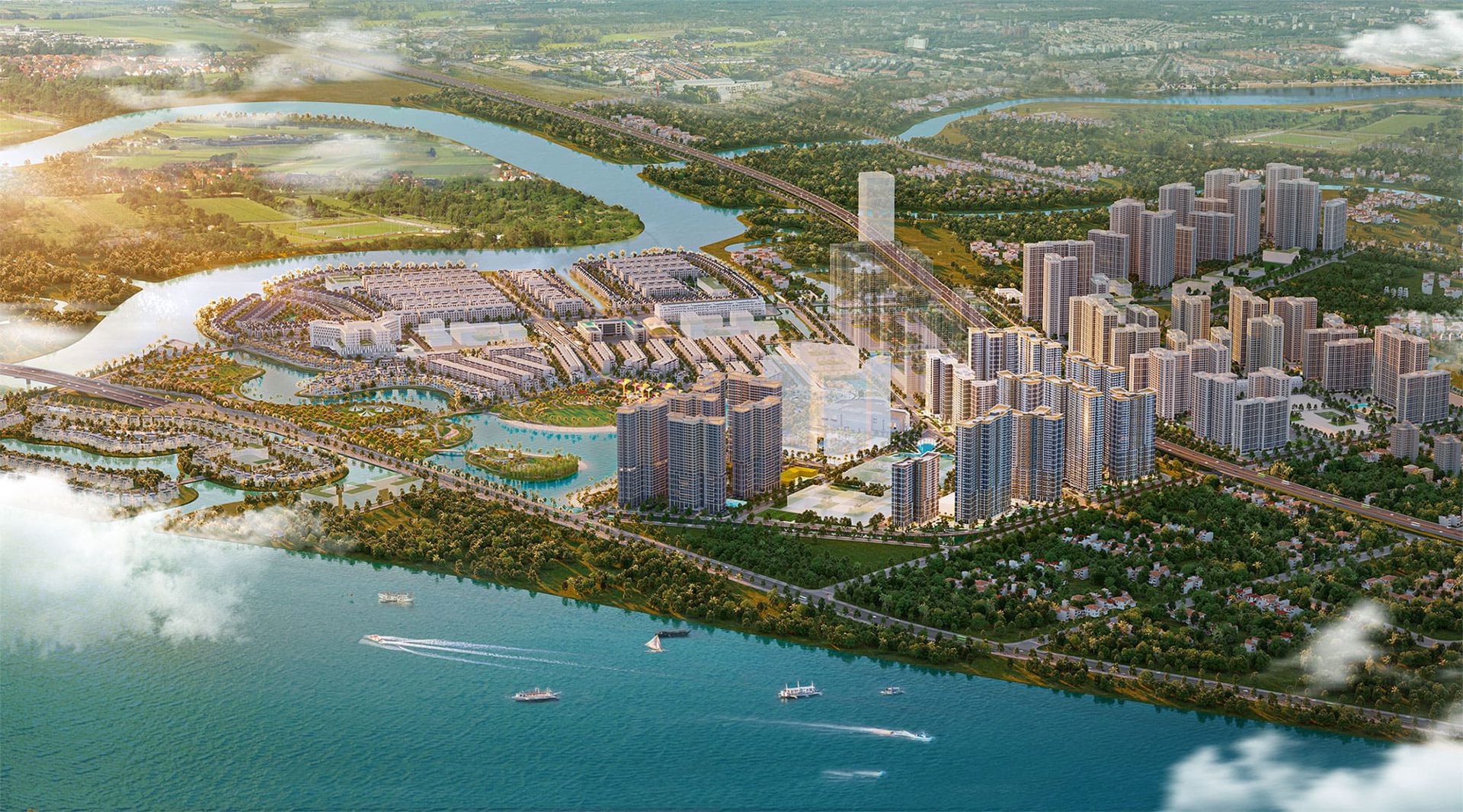
Grand Park is not just a residential complex or a neighborhood in the conventional sense. It is a new city within Ho Chi Minh City.
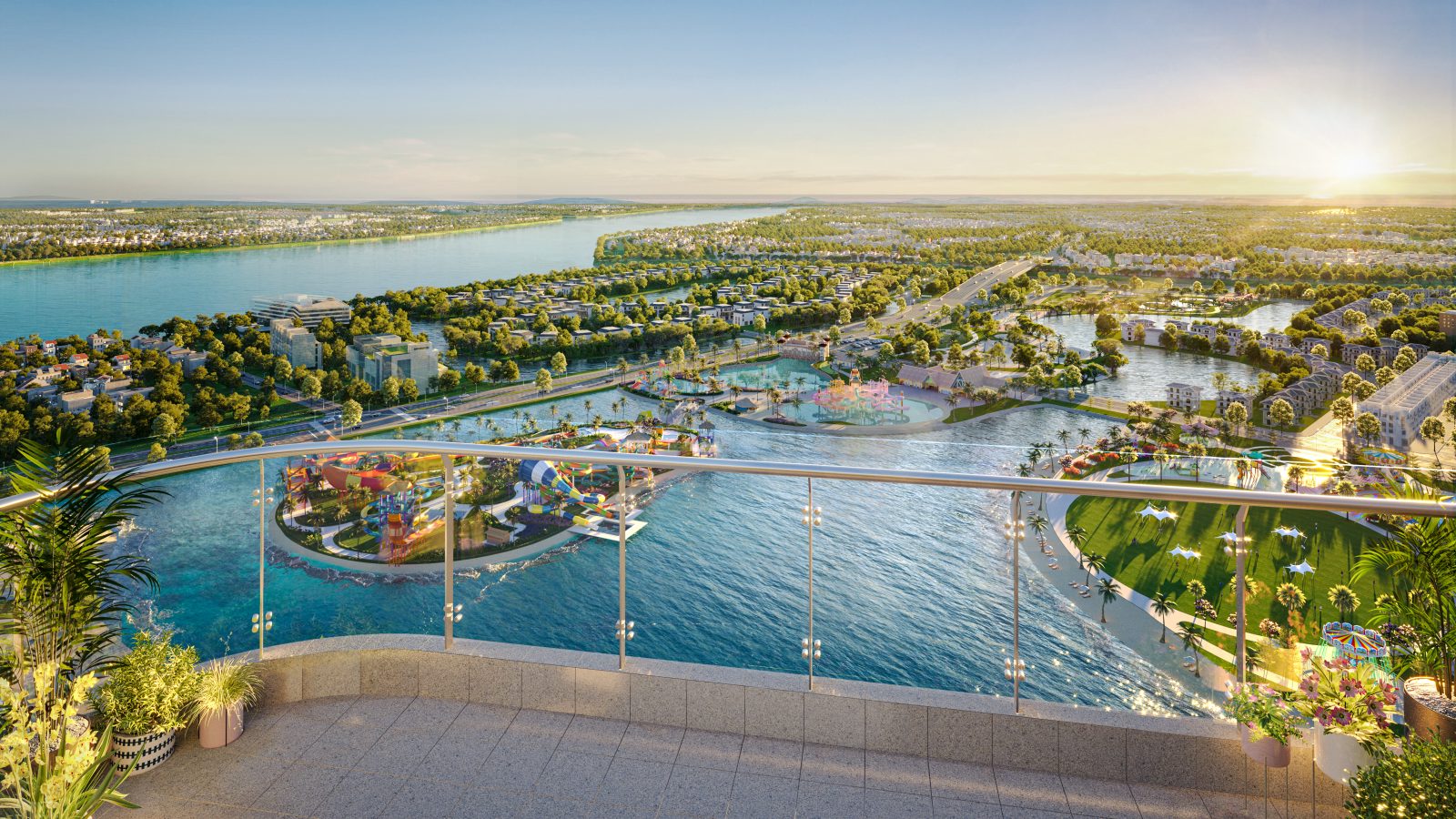
Across Grand Park, tens of thousands of apartments, private schools, a hospital, shopping malls, a 36-hectare central park, a water park, sports infrastructure, and office spaces are being constructed—all functioning as a unified urban ecosystem.
When we evaluated Grand Park in late 2023, most of this infrastructure was still under construction. The metro wasn't operational yet. The hospital wasn't accepting patients. Some schools had yet to open. The 3rd Ring Road was still being built.
That was precisely the investment thesis.
The general market saw a massive construction site with high potential. We saw a future urban center.
Most investors focus on what exists today. The urban cluster capitalization strategy prompts a different question: what will this location become in five to ten years? The main revaluation of a territory doesn't happen when the first tower rises—it happens when a fully functioning urban environment takes shape.
This is corroborated by the history of major global metropolises. Infrastructure first. Then residents. Then businesses. Then jobs. Then liquidity. And only after that comes the primary real estate revaluation.
We weren't buying an apartment. We were buying a shift in the quality of the urban environment.
How to Select a Project Within a Cluster
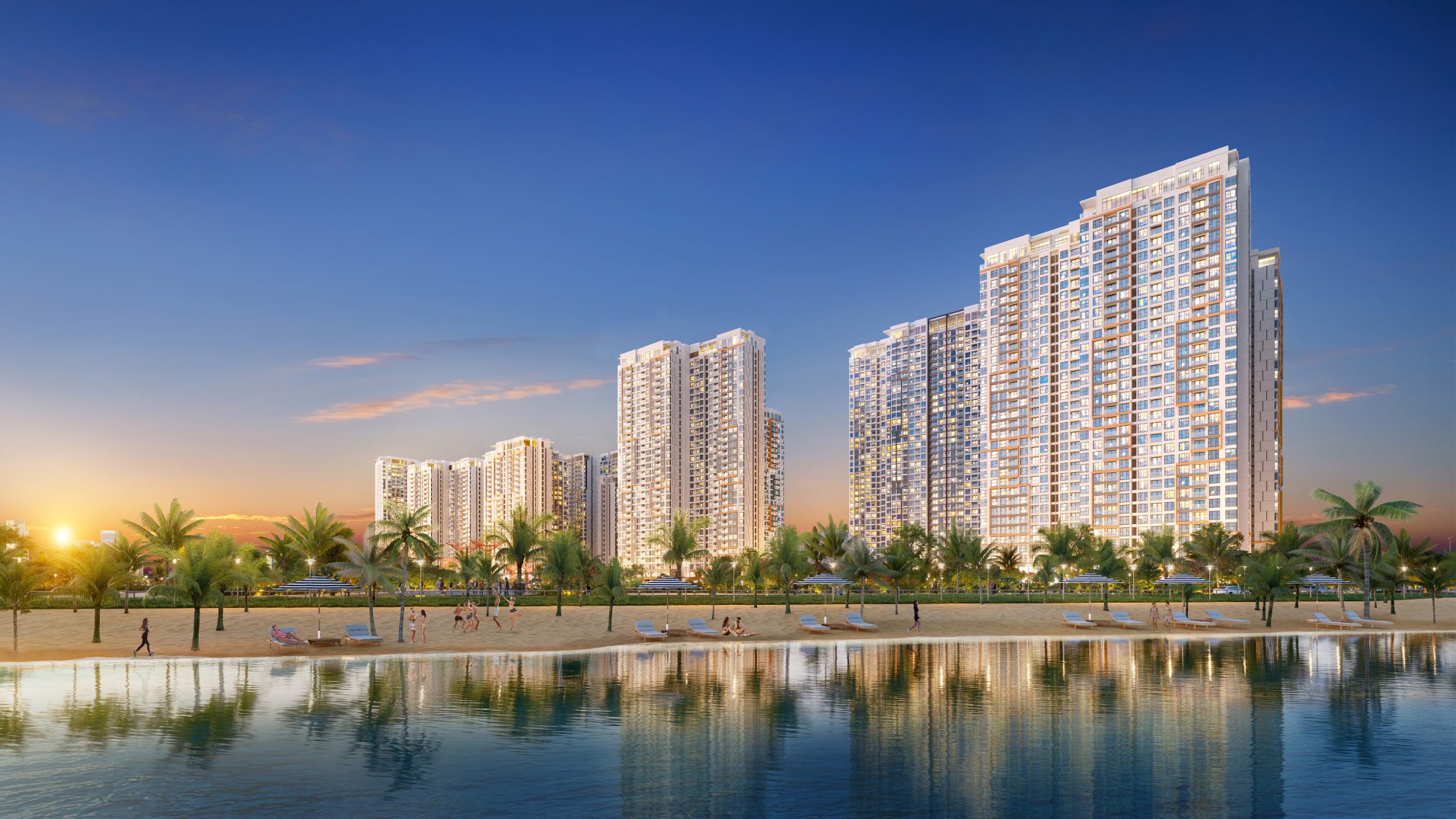
Once we decided on Grand Park, the next question arose: which specific project within it should we invest in? Grand Park is a vast area where several residential developments were being constructed simultaneously.
Our choices quickly narrowed down to two projects: Masteri Centre Point and Lumiere Boulevard.
In practice, it was one underlying investment thesis with two product variations. Both were business-class developments situated in the premier segment of Grand Park: adjacent to the central park, overlooking the river, and close to schools. This section of the district was considered the most desirable for living right from the start.
However, there was another factor that many investors overlook.
Masteri Centre Point and Lumiere Boulevard are the only developments in Grand Park featuring a fully gated, private territory. At first glance, this might seem like a minor detail. But once the district is fully built out, competition won't be between developers anymore—it will be between individual apartment owners. The more unique attributes a property holds, the easier it is to sell or lease out.
We weren't just looking for a good apartment. We were looking for limited supply within a large market.
The differences between the two projects were primarily product-oriented: Lumiere emphasized landscaping and architectural design, while Masteri focused on high-spec apartment finishing. For our investment strategy, this was secondary. What mattered far more was that both projects occupied the prime location within Grand Park and possessed features that are difficult to replicate in the future.
Our choice was Masteri Centre Point.
How to Select an Apartment: The Investment Logic
Choosing a specific unit is a distinct layer of analysis that most investors underestimate.
We weren't hunting for the most expensive apartment or the absolute best view in the entire complex. We were looking for the unit that would be easiest to sell a few years down the line.
Ultimately, we selected a unit of approximately 70 square meters on the 28th floor, facing toward central Ho Chi Minh City.
This is one of the most sought-after layouts in the market, appealing equally to owner-occupiers and tenants. A high floor and an unobstructed city view consistently boost liquidity.
Another detail was its position within the tower: positioned away from the elevator lobby. That makes daily living quieter, but for an investor, what matters more is that such apartments are easier to sell and lease out.
The principle is simple: select not what appeals to you personally, but what will appeal to the largest possible pool of potential buyers and tenants years down the road.
A significant portion of a transaction's future return is locked in at the very moment of unit selection.
What Happened Over the Next 2.5 Years
To recap: in December 2023, the apartment was acquired for roughly $150,000. By mid-2026, its market value is around $210,000. An appreciation of roughly 40%.
Yet understanding the mechanism behind this figure is key.
Over the past two and a half years, Grand Park has transformed. Schools opened. Commercial infrastructure emerged. The hospital began operations. Landscaping and amenities progressed further. The neighborhood came alive.
Neighbors moved in. Tenants arrived. Families with children, cafes, retail outlets, and services filled the area.
Exactly what we anticipated in 2023 took place: Grand Park stopped selling promises of the future and began delivering a real quality of life.
Transportation was a separate catalyst. Direct bus feeder services connecting to the metro line became a viable daily commute option for many residents. The upcoming opening of the 3rd Ring Road remains one of the major upcoming growth drivers.
However, the most significant shift wasn't confined to Grand Park itself; the perception of the entire surrounding location began to change. Historically, District 9 was viewed as the far periphery of Ho Chi Minh City. Previously, the primary question from clients was: "Why live so far from the center?" Today, the question is: "Is there anything still reasonably priced in Grand Park?"
Grand Park became one of the main factors reshaping the investment perception of eastern Ho Chi Minh City as a whole.
In parallel, a second income engine was at work: rental yield. Throughout the entire period, the apartment was consistently leased for around $400 per month—even unfurnished. District rental rates grew by an average of 5–10% annually.
Two income streams working simultaneously: asset capital appreciation and ongoing rental cash flow. This combination makes the urban cluster strategy particularly compelling for long-term investors.
Strategy Risks: An Honest Breakdown
Investing in an urban cluster at its formation stage is always a bet on the future. And the future naturally carries uncertainty.
Execution risk. The main risk is that the cluster may fail to fully materialize as planned. Infrastructure rollouts could be delayed. Population growth might be slower than projected. The market may fail to revalue the area within the expected timeframe. This is why it is essential to focus on clusters with an existing economic foundation, rather than purely speculative plans.
Supply risk. The success of a cluster draws in other developers. If too much new supply enters the market simultaneously, resale competition intensifies. This is why we look for limited supply within a macro market: gated communities, scarce unit layouts, and features that are hard to replicate.
Timeline risk. The urban cluster strategy is not about quick capital gains. We recognized from the outset that realizing the thesis requires years: infrastructure launches, tenant move-ins, and the maturation of a complete urban ecosystem. It is precisely for accepting this temporal uncertainty that investors earn premium returns. Capital allocated here should not be needed earlier than a 4 to 7-year horizon.
Market cycles. Vietnam's real estate market is not immune to global macro events. Temporary market slowdowns can compress liquidity—especially in newer, developing districts. The late 2023 downturn serves as a clear example: while fundamental growth drivers remained intact, it brought several quarters of reduced liquidity. For long-term investors, that created a buying window; for short-term flippers, it brought stress.
The Core Lesson: Identify the Growth Driver First, Select the Property Second
This case study is not just about Masteri Centre Point, nor is it strictly about Grand Park.
It is a case study on how value is created.
Looking at the case of The Felix, we bought into future demand: industry growth, employment, rising incomes, and expanded housing demand. Here, with Grand Park, the story was different. We bought a future city: schools, parks, transit, commercial centers—a location that would become exponentially more livable years down the line compared to its state at purchase.
That is why this investment succeeded. Not simply because the market unexpectedly rallied, nor solely because we secured a 12% discount, or selected the right project. All those elements mattered, but they were secondary effects.
The root cause was correctly identifying the driver of future value growth.
This is why a professional investor doesn't start with "what to buy," but rather with "what will drive this asset's appreciation."
First the macro trend. Then the strategy. Then the cluster. Then the project. Then the unit. And only then—the investment.
If This Strategy Resonates With You
The urban cluster capitalization strategy demands a longer investment horizon than structural growth. However, when the entry point is selected properly, it delivers two independent return streams: asset appreciation and steady rental cash flow.
We currently work with opportunities aligned with this model—districts where the underlying economic foundation is already in place, but full market revaluation has yet to occur. If you would like to evaluate a specific opportunity, feel free to schedule a consultation. We will guide you through the complete framework: cluster selection, project analysis, financial modeling, time horizon, and exit strategy.