This guide provides a detailed breakdown of the entire process of purchasing real estate in Vietnam by a foreign citizen — from initial market research to obtaining the Pink Book and subsequent property management.
The Vietnamese system is unique and includes several mandatory stages not found in Western markets, making a detailed understanding of each step essential. Below is an algorithm that fully aligns with actual transaction practices.
STEP 1. Strategic Market Research
Before selecting a property or making a reservation, foreign buyers should begin with a structured research phase.
Key Components of Market Research
1. Macro and Urban Factors
- economic growth trends
- population changes
- size of the expat community
- rental demand by district
- 5–10 year price dynamics
- government infrastructure plans
For example, in Ho Chi Minh City, Districts 1, 2, 7, Binh Thanh, and Thu Duc City have different demand profiles and rental markets.
2. Developer Reputation
Foreign buyers must verify:
- track record of completed projects
- delays in previous projects
- construction quality
- financial stability
- client reviews
- litigation history (rare, but important)
Developer reputations in Vietnam vary significantly.
3. Project Type and Segment
Segments include:
- mid-range
- business-class
- premium
- luxury
Your goals determine the appropriate segment.
4. Investment vs. End-Use Analysis
Investors primarily focus on:
- yields
- resale timelines
- capital appreciation
End-users primarily focus on:
- comfort
- location
- amenities
- long-term ownership
STEP 2. Property Selection and Reservation
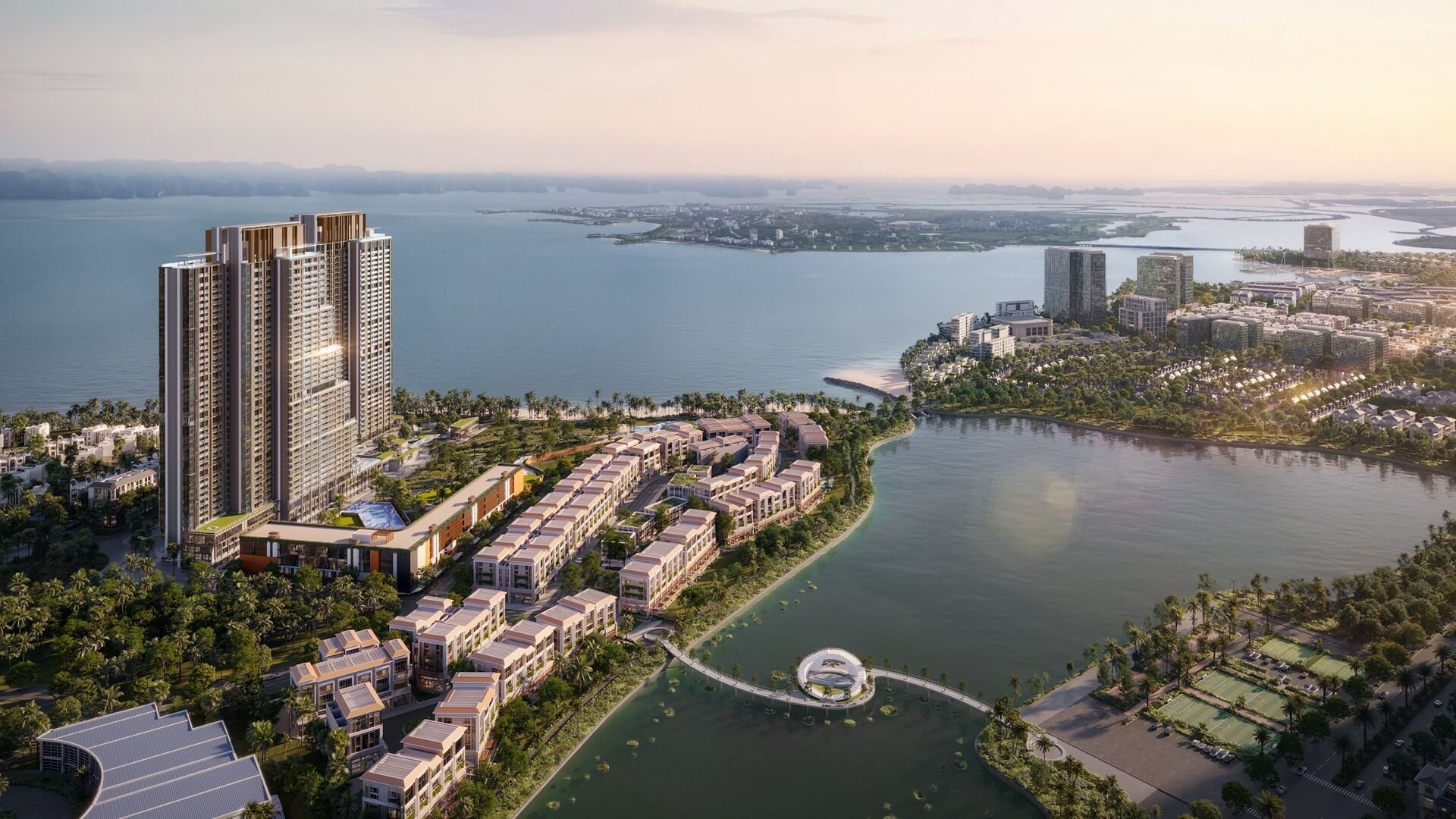
Foreign buyers proceed to select a project and property. There are two booking scenarios in Vietnam.
Scenario A — Pre-Booking (REFUNDABLE)
A refundable reservation fee (typically 50–100 million VND) is paid to reserve the right to select a unit at an internal launch event.
What buyers receive:
- priority access
- earliest unit selection
- lowest prices
- booking is fully refundable if the buyer rejects the unit
- bookings are typically refunded within 10–25 days
Risks:
- not all documents are available yet
- foreign ownership approval is sometimes pending
- online layouts may change slightly in the final permit
This is normal for early stages.
Scenario B — Booking After Official Launch
At this stage:
- all documentation is prepared
- foreign ownership approval is usually issued
- discounts are sometimes smaller
- greater clarity regarding timelines and risks
Reservations may be refundable, partially refundable, or non-refundable depending on the developer's policy.
STEP 3. Comprehensive Legal Due Diligence
This is one of the most critical steps, and foreign buyers must take it seriously. The legal review process is detailed in this article, but the core components at this stage include:
Required Document Checks
- Pink Book (Land Use Rights Certificate) at the project level
- Construction permit (must match reality)
- Sale permit for future-formed housing
- Foreign ownership approval
- Developer corporate authority
- Updated foreign quota balance
- Draft SPA (bilingual)
For Completed Properties
Buyers must verify:
Case 1 — Seller holds the SPA (No Pink Book)
Verify all developer documents confirming that the project is eligible for foreign ownership.
Case 2 — Seller holds the Pink Book in the buyer's name (Foreigner)
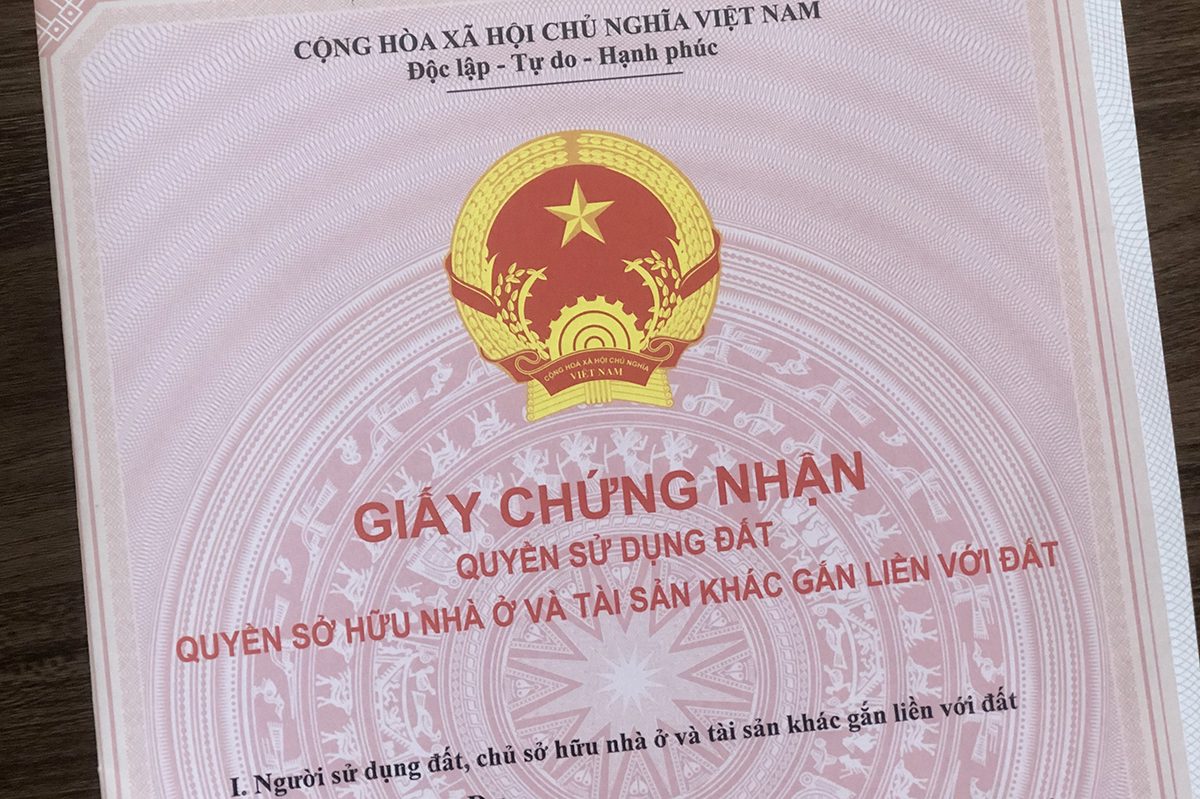
This is the most reliable proof of foreign ownership eligibility.
STEP 4. Signing the SPA (Sales and Purchase Agreement)
The SPA is the primary contract that legally binds both the buyer and the developer.
For foreigners, the SPA is always:
- bilingual (Vietnamese + English)
- generated by the developer
- highly standardized
- compliant with Vietnamese legal regulations
What the SPA includes:
- Total price
- Payment schedule
- Late payment penalties
- Developer obligations
- Buyer obligations
- Handover conditions
- Warranty scope
- Pink Book obligations
- Termination rights
- Dispute resolution
Signing Options:
- In Vietnam (recommended)
- Abroad, via notarization + consular legalization (possible, but slow)
- Via Power of Attorney (depends on the developer)
STEP 5. Initial Deposit After SPA
After signing the SPA, buyers make their first official payment.
Off-plan properties:
- 10–30% depending on the developer's policy
Completed properties:
- 95% prepayment (required to take handover)
The developer provides:
- official receipt
- VAT invoice
- updated payment schedule
- confirmation of SPA execution
STEP 6. Subsequent Payments (Off-Plan Stage)
Vietnamese developers offer several types of payment plans:
- Construction-linked
- Date-linked
- Low monthly payments + balloon payment at handover
- 50–70–95% prepayment plans with large discounts
This is detailed in the article Buying Property in Vietnam with Installment Plans: Terms and Payment Schedules.
Important:
- Choosing a payment plan can reduce the total price by up to 12%.
STEP 7. Pre-Handover Inspection

Foreign buyers (or their representatives) conduct a detailed inspection, paying special attention to:
Key Inspection Points:
- walls and ceilings
- flooring
- plumbing
- electrical and lighting
- windows and doors
- kitchen and bathroom fixtures
- paint and finishes
- air conditioning systems
- balcony structure
- overall build quality
Any issues are documented in the Defect Report.
The developer must rectify all defects before handover is finalized.
STEP 8. Final Payment and Handover
After completing payments according to the schedule:
The buyer receives:
- apartment keys
- access cards
- handover minutes
- building regulations
- warranty documents
Utilities and management fees are activated at this stage.
From this point, the buyer can:
- move in
- furnish
- lease out
- resell (depending on project policy)
STEP 9. Pink Book Application (Ownership Certificate)
Foreigners are legally permitted to obtain a Pink Book (Certificate of Land Use Rights and Ownership of Residential House).
The developer must prepare:
- technical completion certificate
- fire safety clearance
- debt clearance
- ownership dossier
- built-building documentation
Typical Processing Time:
- 3–12 months, depending on the capacity of the local DONRE office.
Foreign buyers receive
A Pink Book with:
- 50-year ownership rights (renewable)
- full selling rights
- full leasing rights
- full transfer rights
STEP 10. Post-Purchase Management
The final stage of ownership includes:
1. Payment of Ongoing Building Fees
- management fee
- parking fee
- utilities
2. Rental Management (Optional)
- long-term rental
- short-term rental (depending on building regulations)
3. Tax Compliance
- rental income tax (5% VAT + 5% PIT)
- capital gains tax upon resale (2%)
4. Pink Book Storage
5. Resale Planning
Foreign buyers can resell:
- via SPA assignment (sometimes allowed before handover)
- after handover
- with a Pink Book (strongest resale appeal)
Conclusion
The purchasing process in Vietnam is standardized and transparent, but involves a number of steps unfamiliar to foreign investors. Understanding the sequence helps avoid mistakes, delays, and compliance issues.