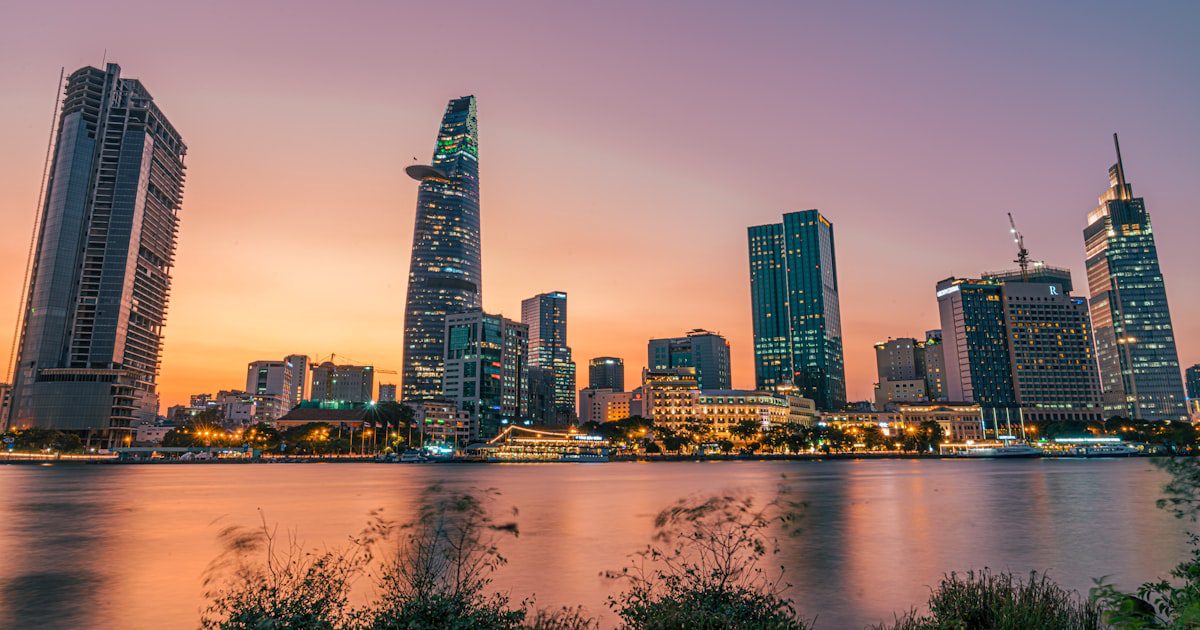
Ho Chi Minh City is Vietnam's largest housing market — roughly half of all residential transactions in the country happen here. It is a business city, not a resort, and demand rests on jobs and relocations rather than on a season.
Since 1 July 2025 the former Binh Duong and Ba Ria–Vung Tau provinces have been absorbed into the city: the population passed 14 million, and the city gained both an industrial belt and a coastline. The practical consequence for a buyer is that "Ho Chi Minh City" in a listing can now mean District 1, or Di An an hour away, or a beach in Vung Tau.
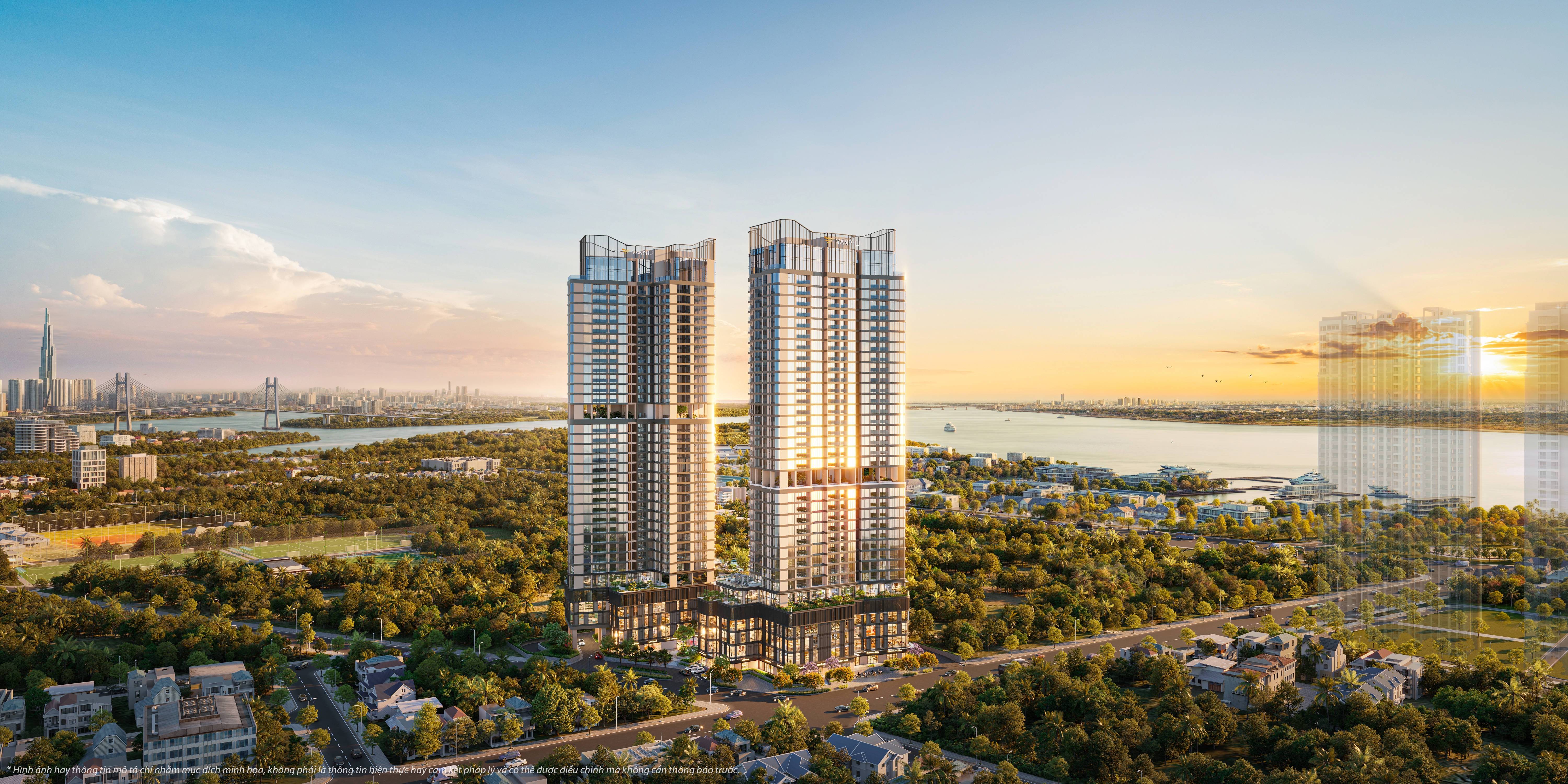
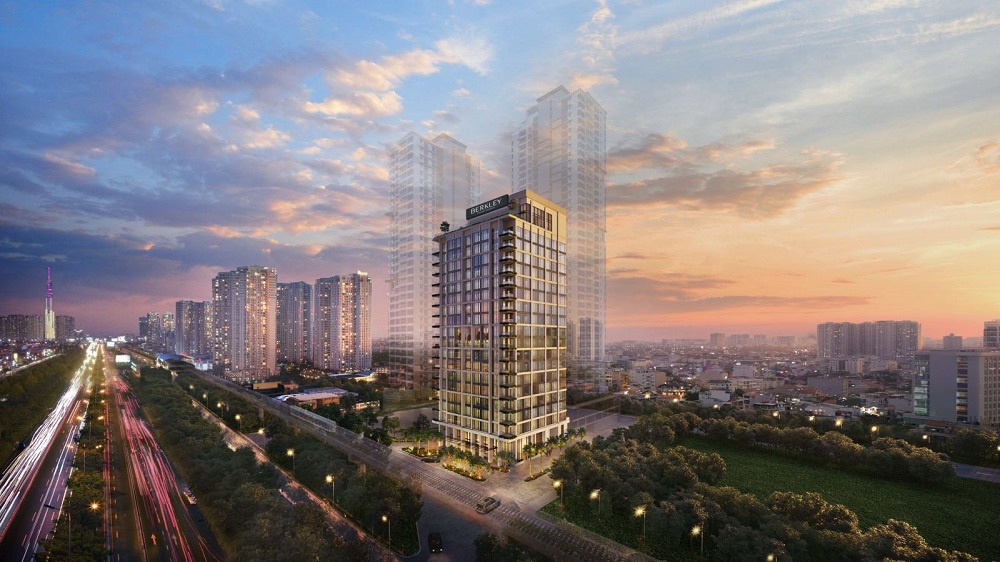
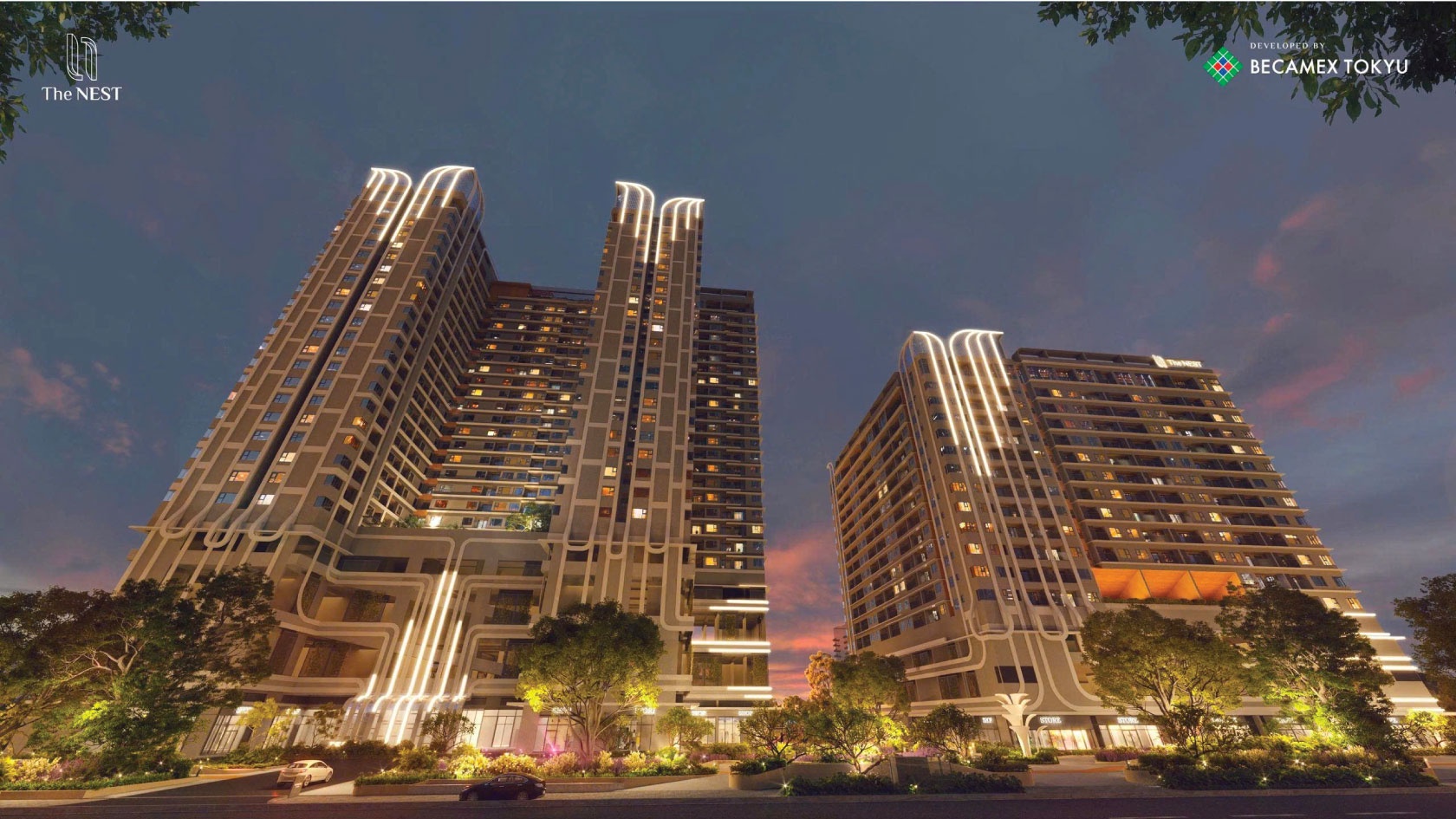
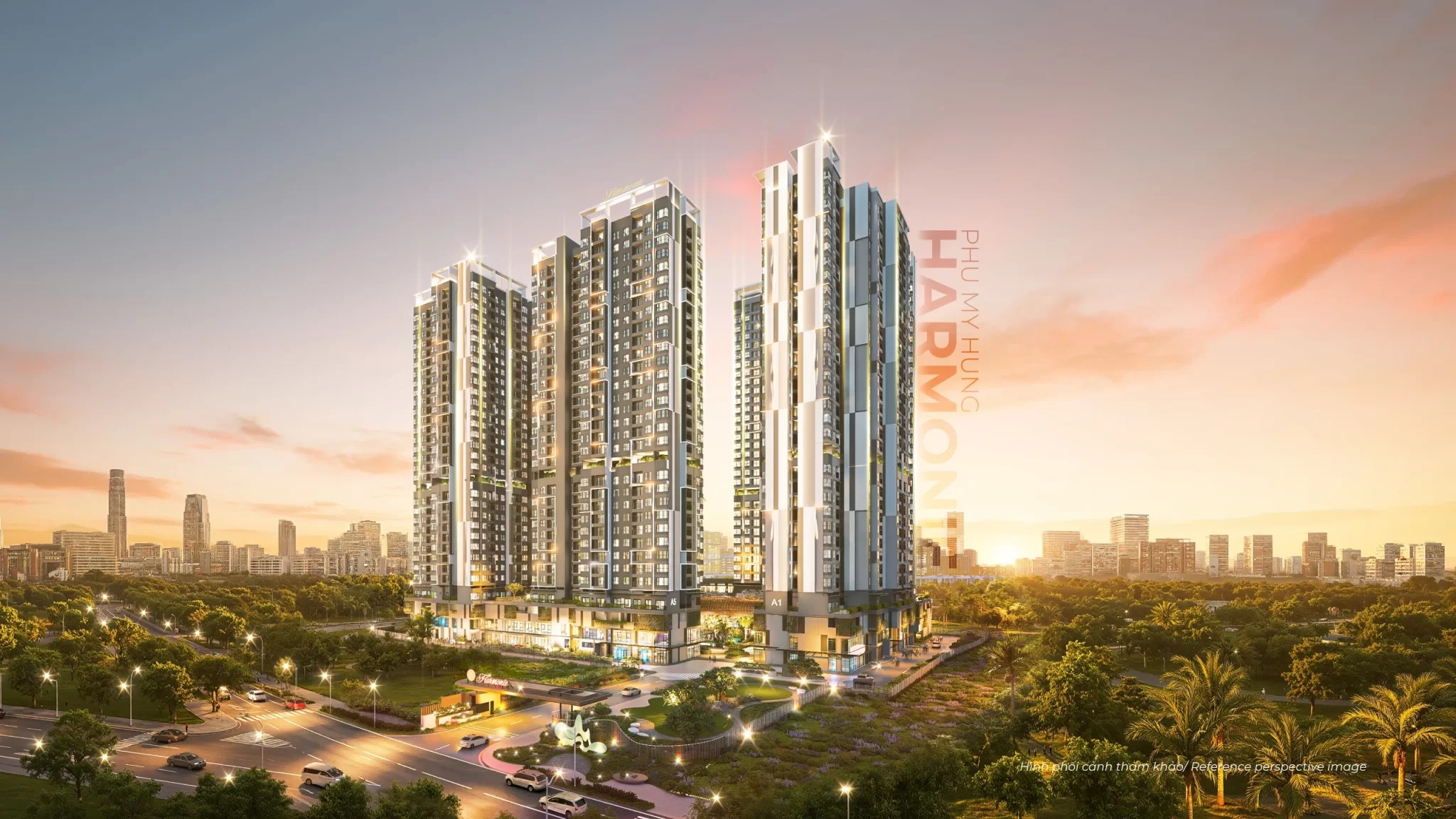
The city reads better as three belts than as administrative units. The central core — Districts 1 and 3 plus the new Thu Thiem business quarter — has almost no developable land left, the highest prices, and a foreign quota that most projects exhausted long ago. The eastern corridor — Thu Duc along metro line 1 — holds the bulk of new supply, including most of our catalogue. The metropolitan belt — Di An, Thuan An and the rest of former Binh Duong — offers the lowest entry price and the weakest exit liquidity.
Metro line 1, Ben Thanh–Suoi Tien, has run since December 2024, and construction of line 2 started in January 2026. Long Thanh International Airport east of the city is due to take its first commercial flights on 1 December 2026 and to absorb long-haul routes from Tan Son Nhat. Thu Thiem is being built out as Vietnam's International Financial Centre, with Ho Chi Minh City holding the universal-centre role. Distance to the centre here is better measured in what will be built by 2028–2030 than in kilometres.
In central projects the foreign quota is usually gone at launch, so entering there normally means buying from another foreigner at resale pricing. In the metropolitan belt the quota is wide open, but the secondary market is thin — getting out takes noticeably longer than in Thu Duc or District 7.
An address-by-address breakdown is in our Ho Chi Minh City market review and in the market analysis.