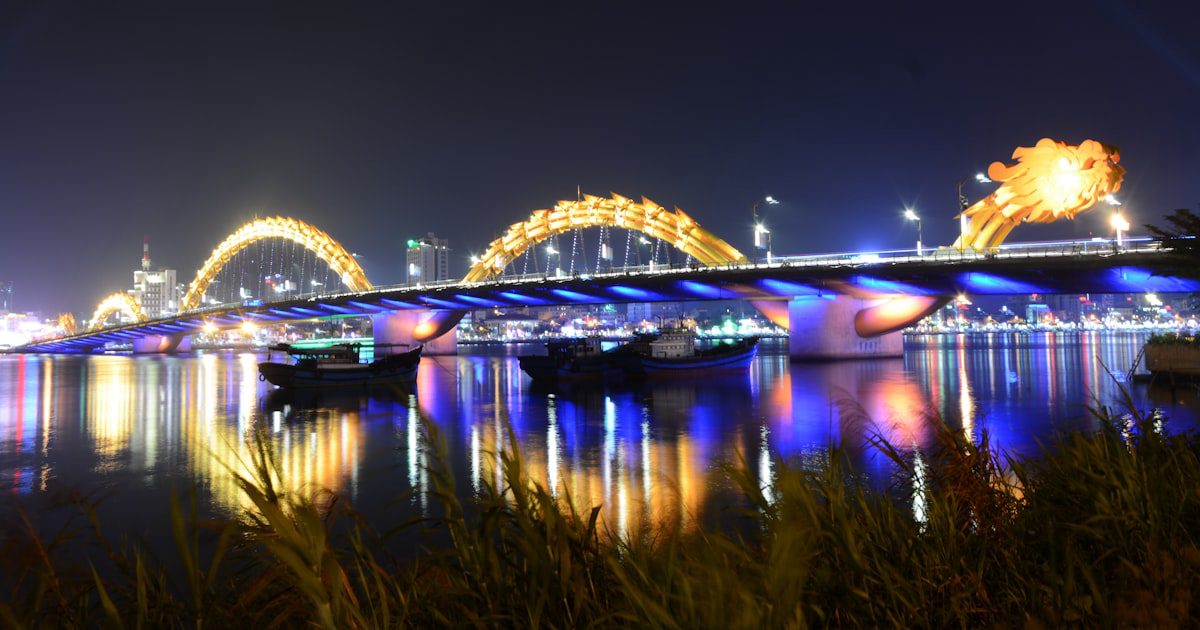

Da Nang is Vietnam's third-largest city and the only big one that deliberately turned down heavy industry in the 2000s. That decision is why you get a riverfront promenade instead of factory yards, a city beach twenty minutes from the offices, and a reputation as a place people move to for work, not only for holidays.
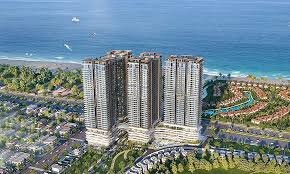
For a buyer that means two different markets in one city: apartments in residential districts with year-round tenants, and resort projects by the sea with pronounced seasonality. Since 1 July 2025 Da Nang has been merged with the former Quang Nam province — a centrally-run city of roughly 11,900 km² and more than 3 million residents.
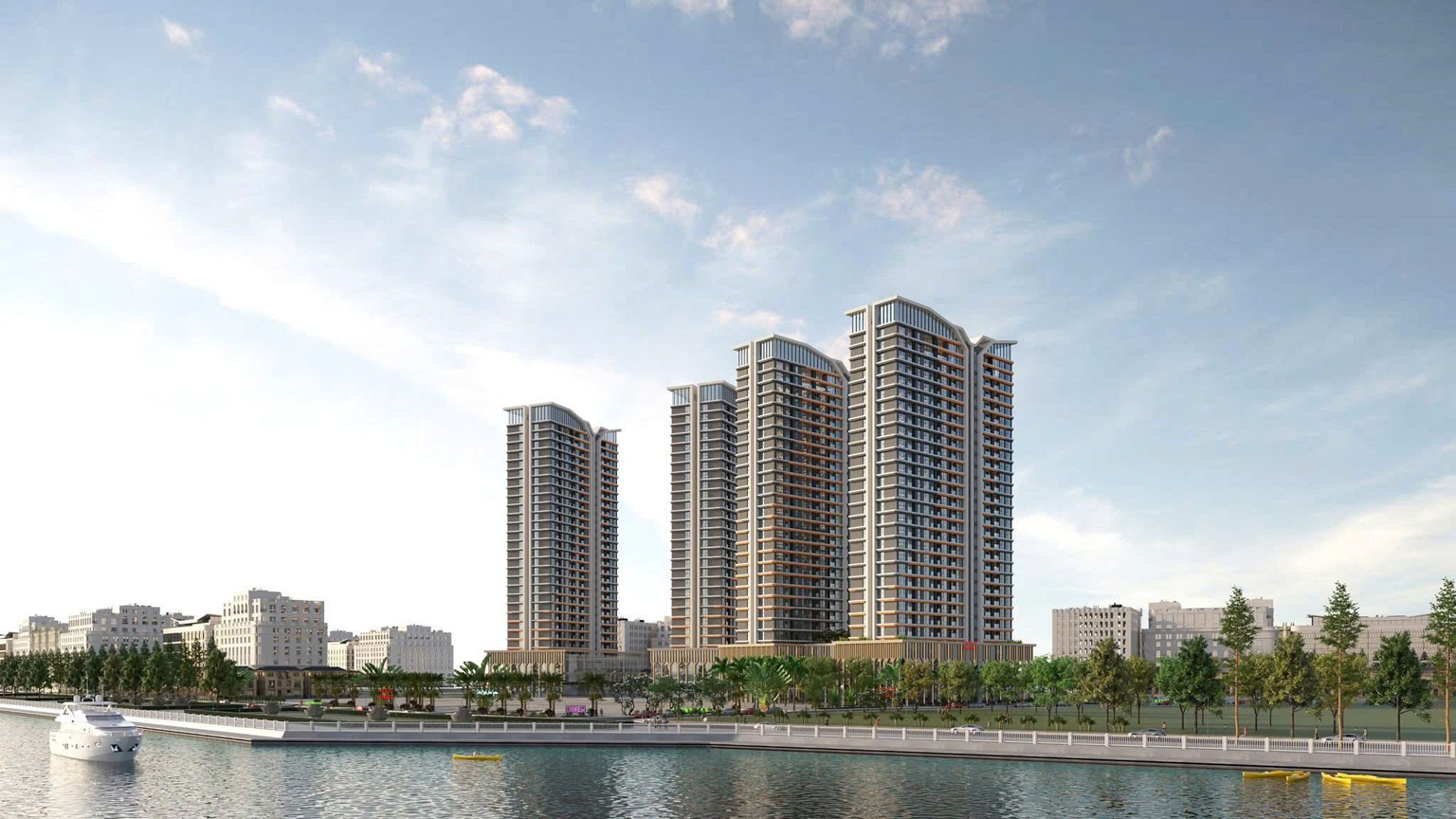
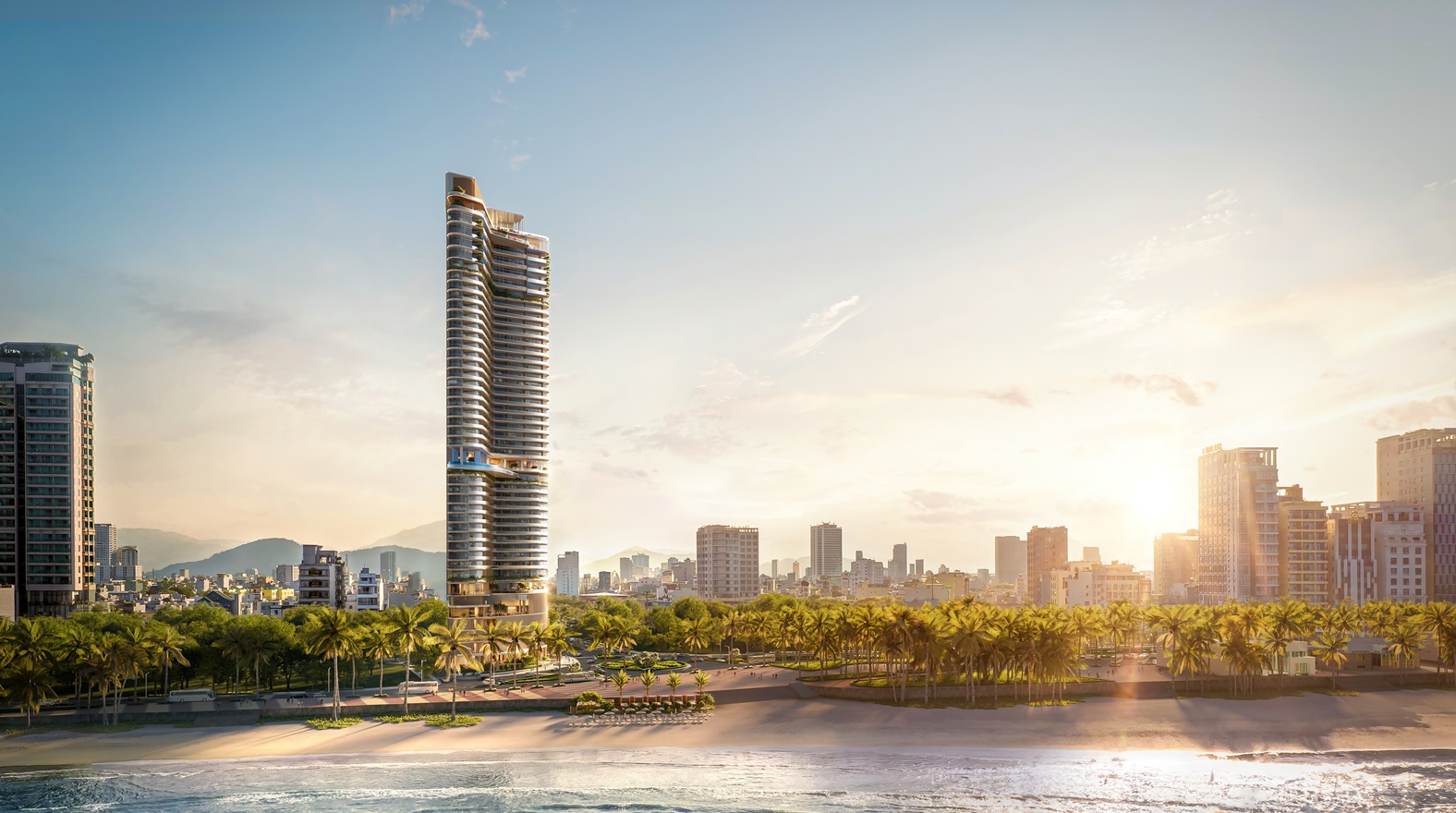
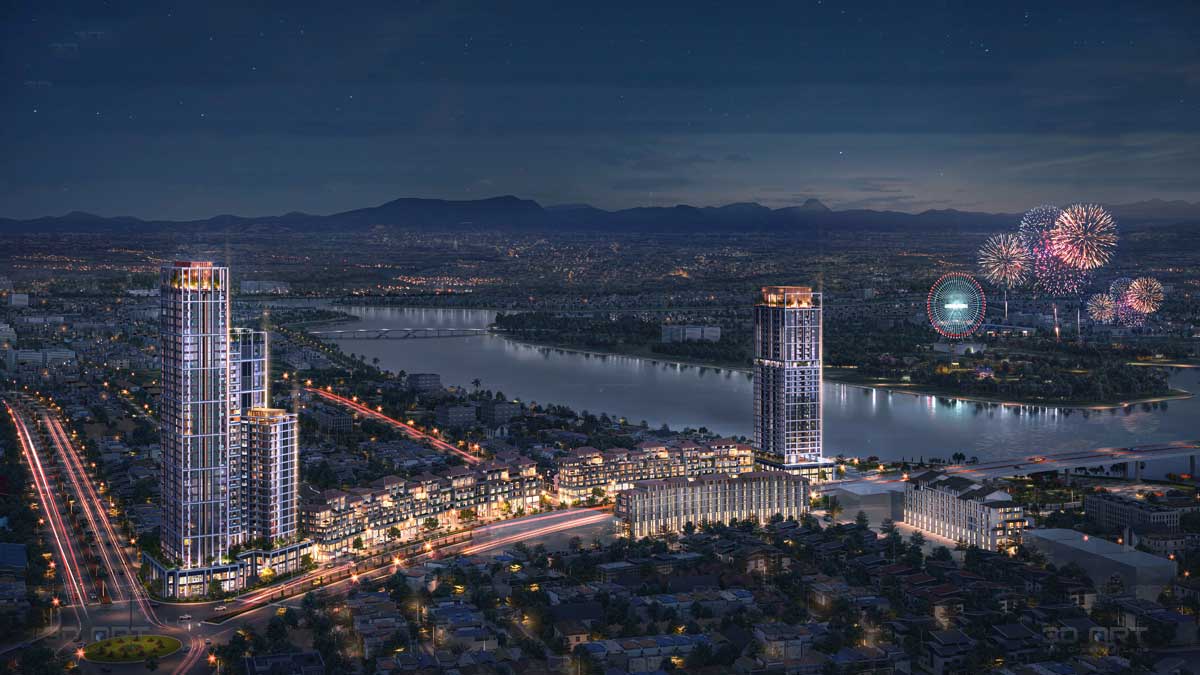
The projects in our catalogue sit in three zones. Hai Chau is the historic centre on the west bank of the Han: government, offices, the most predictable liquidity in the city. Son Tra covers the east bank and the peninsula, where My Khe beach and river views start right outside the building. Ngu Hanh Son is the southern strip by the Marble Mountains — the resort segment, with hotel operators and a sharper season.
In June 2025 the government created Vietnam's first free trade zone in Da Nang: around 1,880 hectares for manufacturing, logistics and digital technology. The deep-water port of Lien Chieu is being completed next to it, and within Vietnam's International Financial Centre project Da Nang has been assigned fintech and digital assets, while Ho Chi Minh City takes the universal role. These are slow stories, but they — not the beach — shape demand for urban housing over a five-to-ten-year horizon.
Foreigners may own no more than 30% of the apartments in a single building, and in sought-after Da Nang projects that quota fills fast — check it against the specific block, not the project as a whole. Second: October and November are typhoon season. For holiday lets that is a hole in occupancy; for city rentals it is barely noticeable — and the asking price rarely reflects the difference.
A breakdown of districts, prices and strategies is in our Da Nang market review. The transaction process and ownership formats are covered in the guide for foreign buyers.