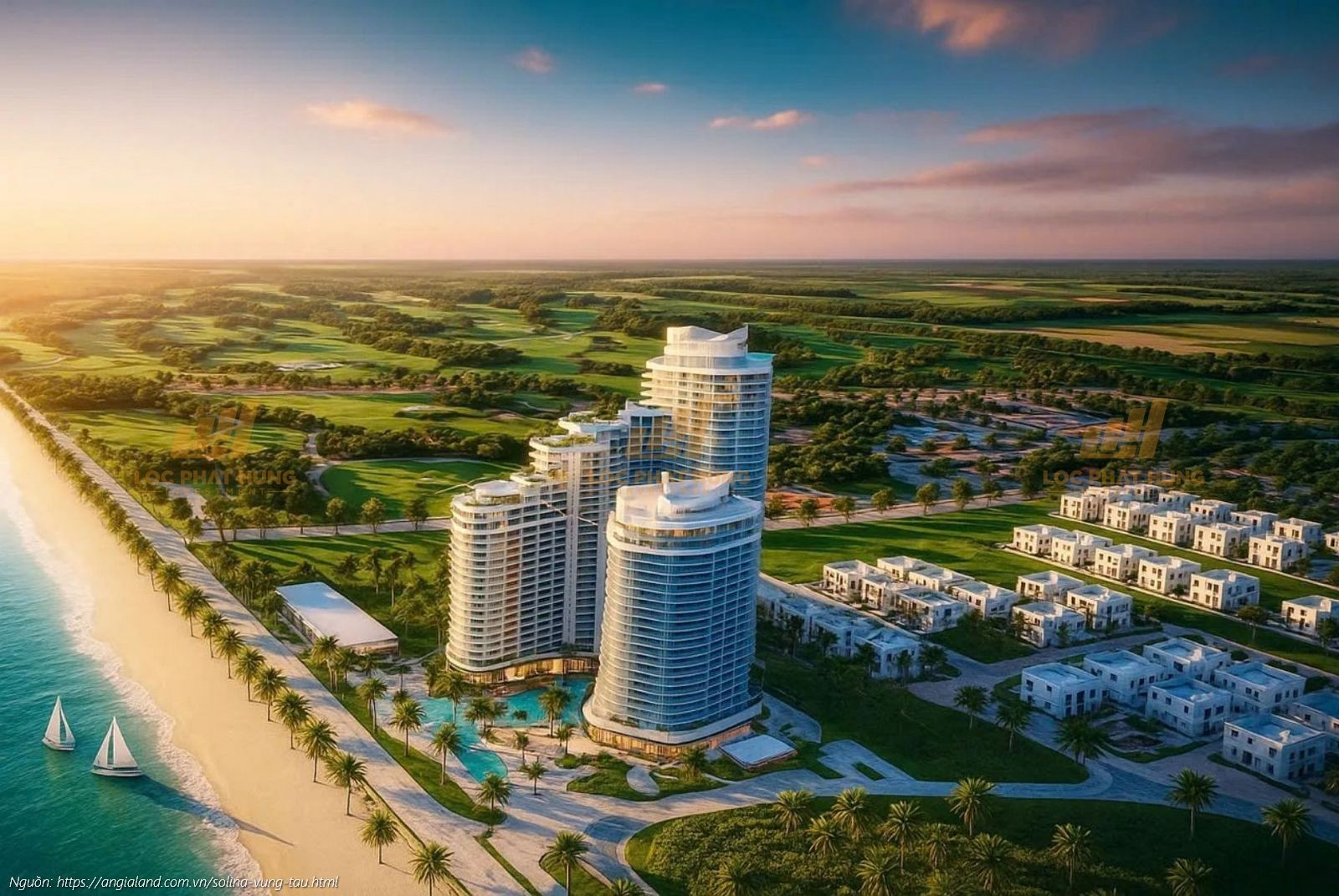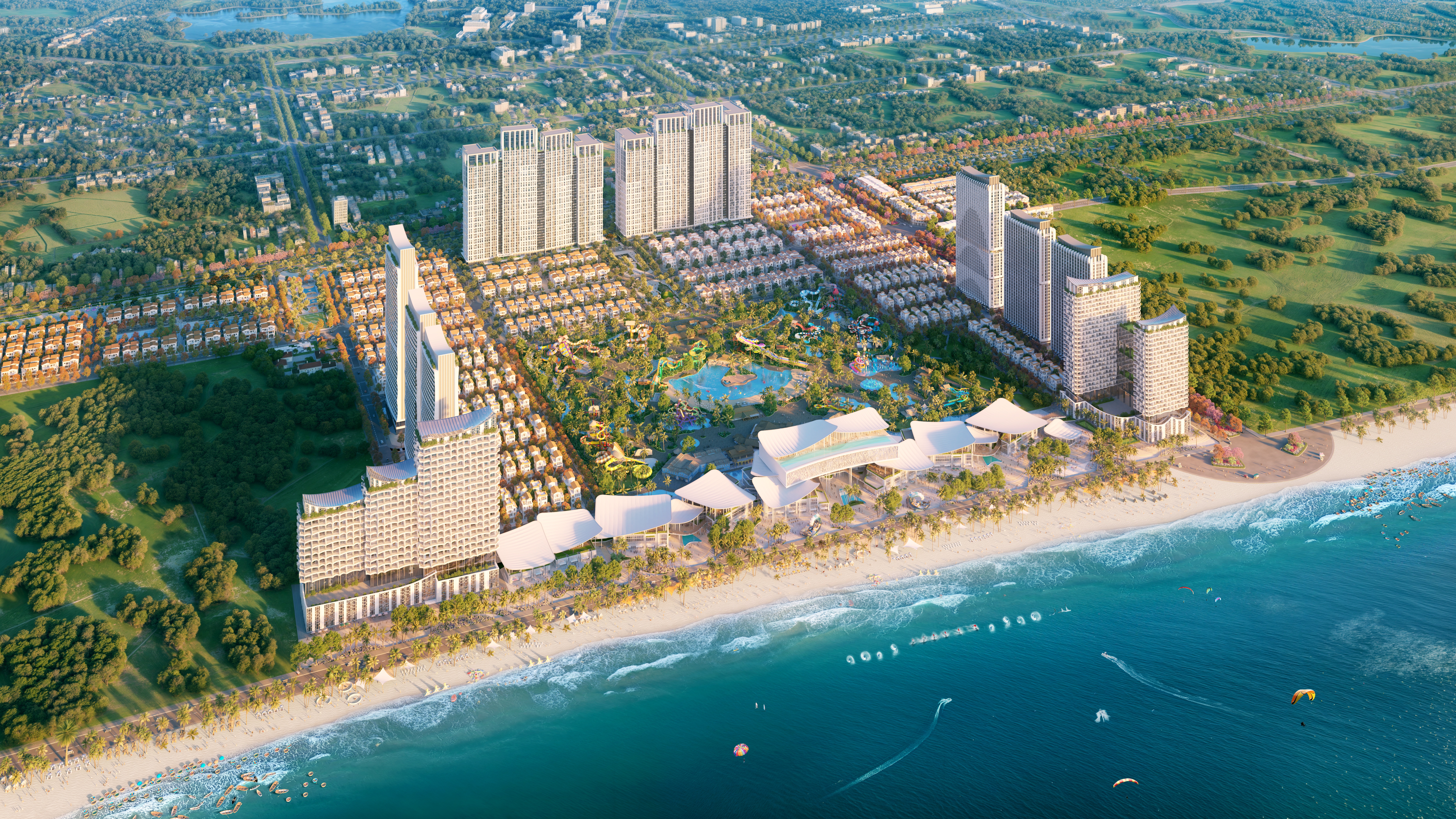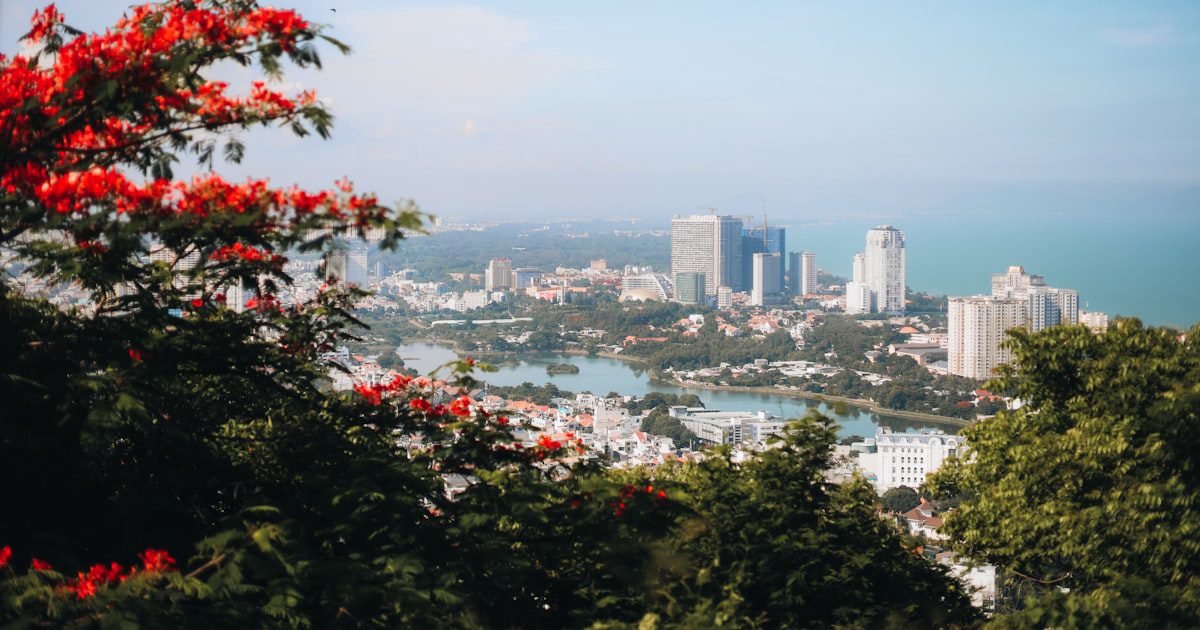
Vung Tau is a seaside city on a headland two hours from Ho Chi Minh City, where the southern capital has been going for weekends for half a century. Oil-and-gas base, port and beaches in one place: demand is mixed — some buyers take a place for their own weekends, others rent it out to holidaymakers.
The major change: on 1 July 2025 Ba Ria–Vung Tau province was absorbed into Ho Chi Minh City. Formally Vung Tau is no longer a separate city but part of the country's largest metropolitan area — and new paperwork now reads that way.
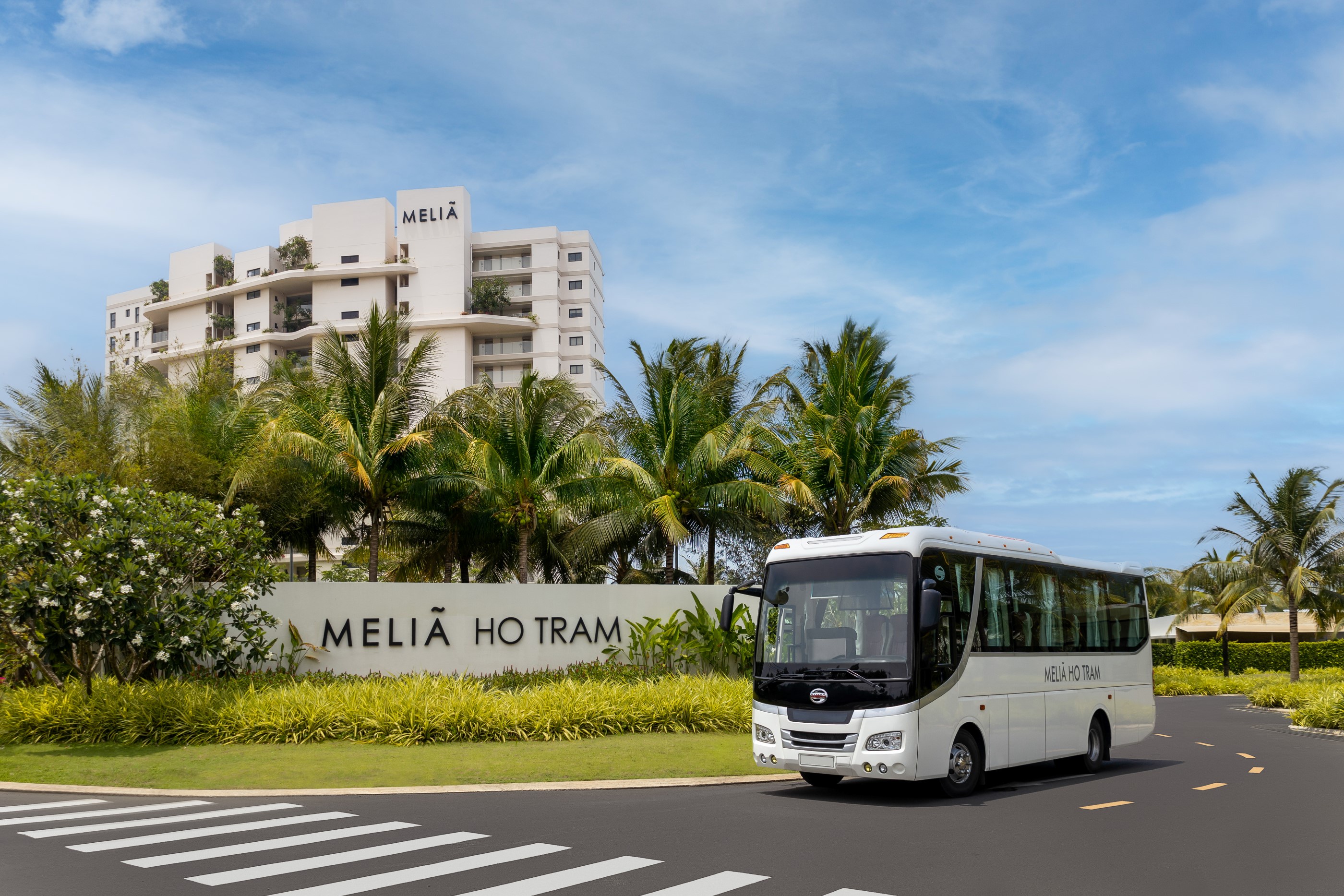
Supply splits into three unrelated stories. Vung Tau itself is urban development around Back Beach and Chi Linh: a year-round environment with shops and schools. Ho Tram, 40 km to the east, is a resort strip with hotel brands, almost no town and almost everything tied to tourists. Phu My, on the road in from Ho Chi Minh City, is an industrial node next to the ports — housing there is bought to rent to engineers and workers, not for holidays.
In May 2026 the Bien Hoa–Vung Tau expressway opened along its full length: the run from the industrial zone to the port fell from about two hours to roughly one, and the drive from Ho Chi Minh City became far more predictable. A free trade zone of nearly 3,800 hectares is being created alongside the Cai Mep Ha deep-water port. For the market that means Vung Tau is gradually ceasing to be only a weekend resort.
Much of the coastal supply is condotels or villas under hotel management: the ownership format differs from an ordinary apartment, and income depends on the terms of the operator agreement. Separately, check whether a site falls inside an area closed to foreign ownership — around port and oil-and-gas infrastructure such restrictions are more common than on an ordinary stretch of coast.
What a foreigner may buy and on what terms is covered in the guide for foreign buyers.