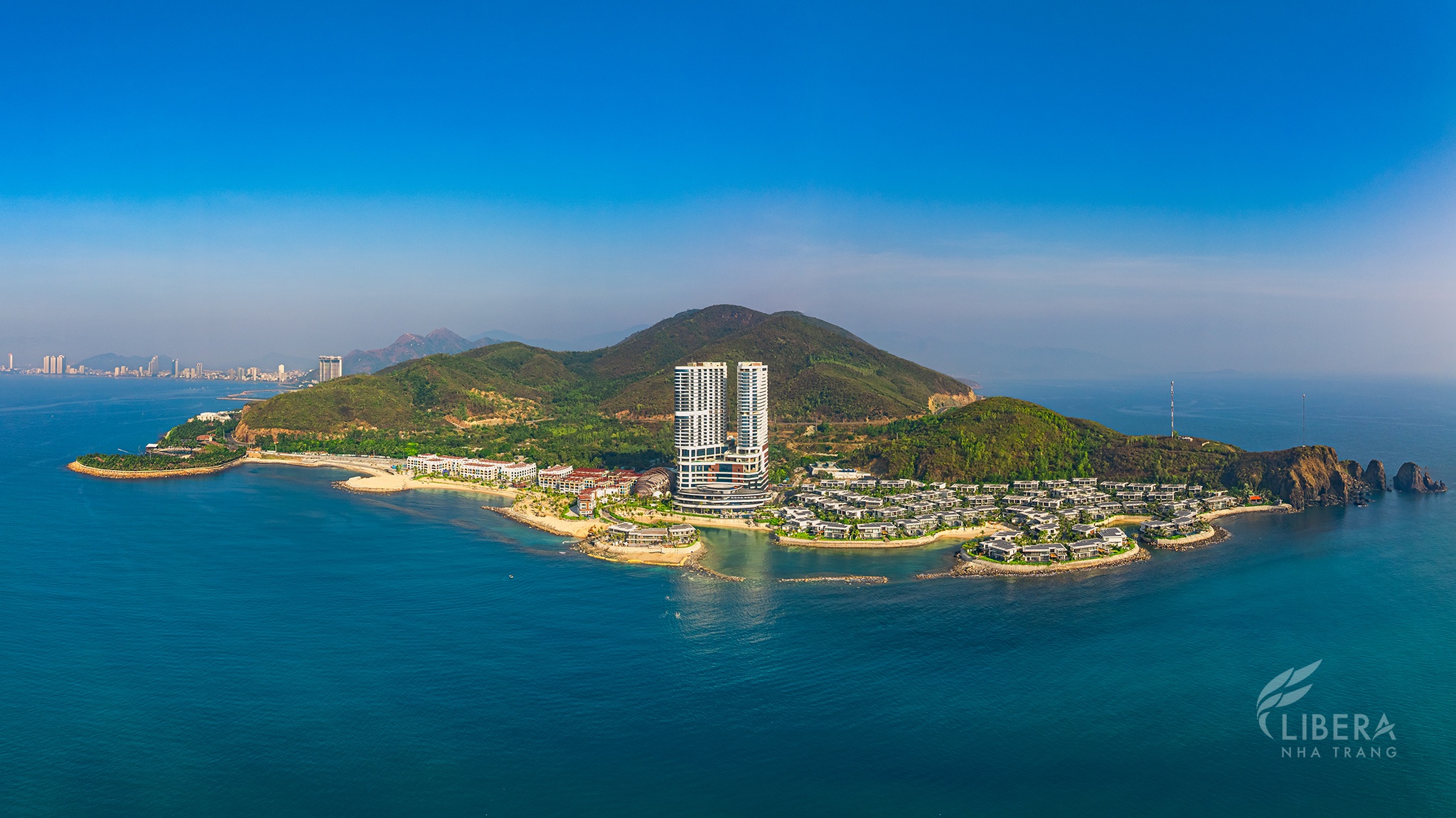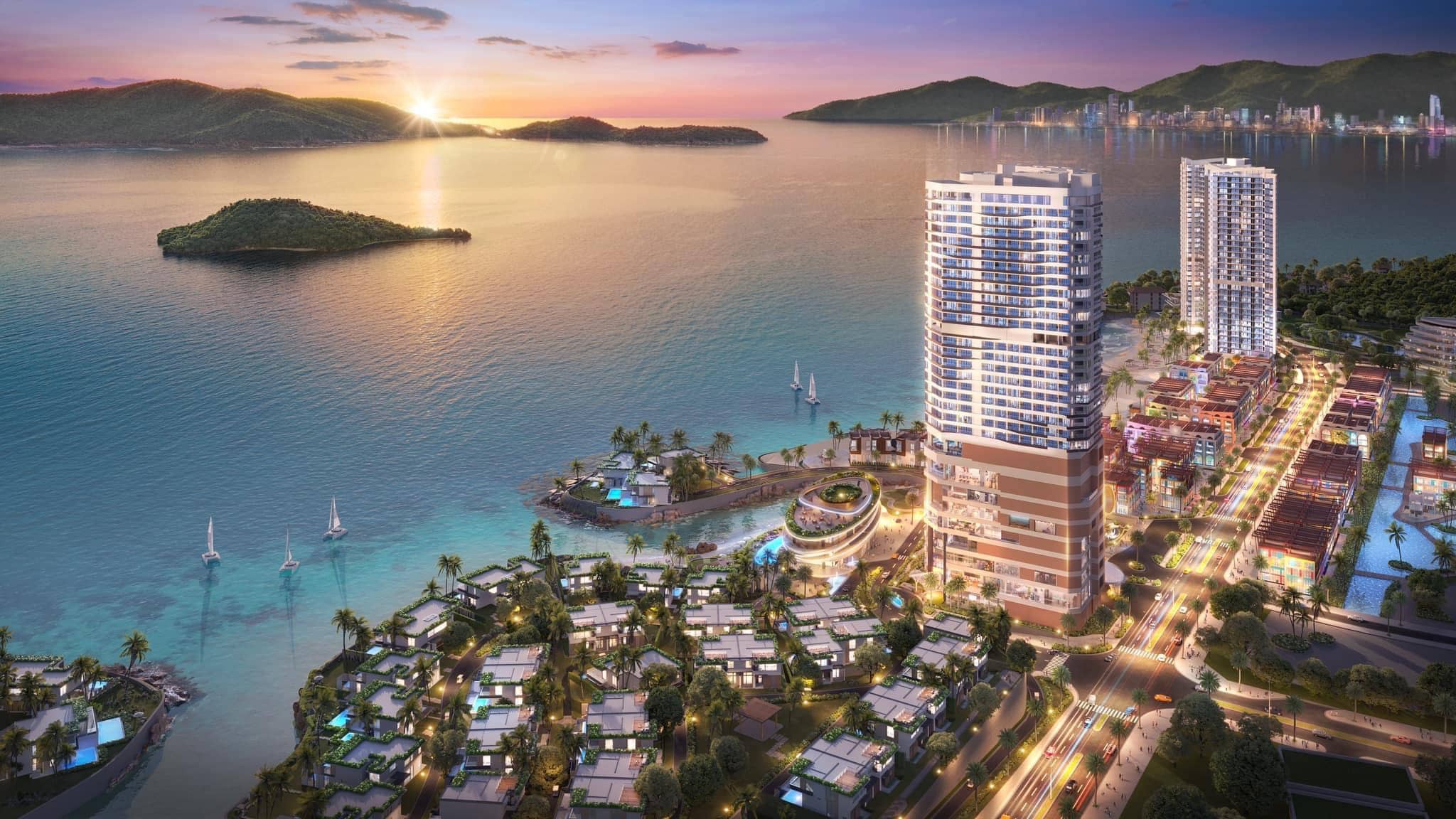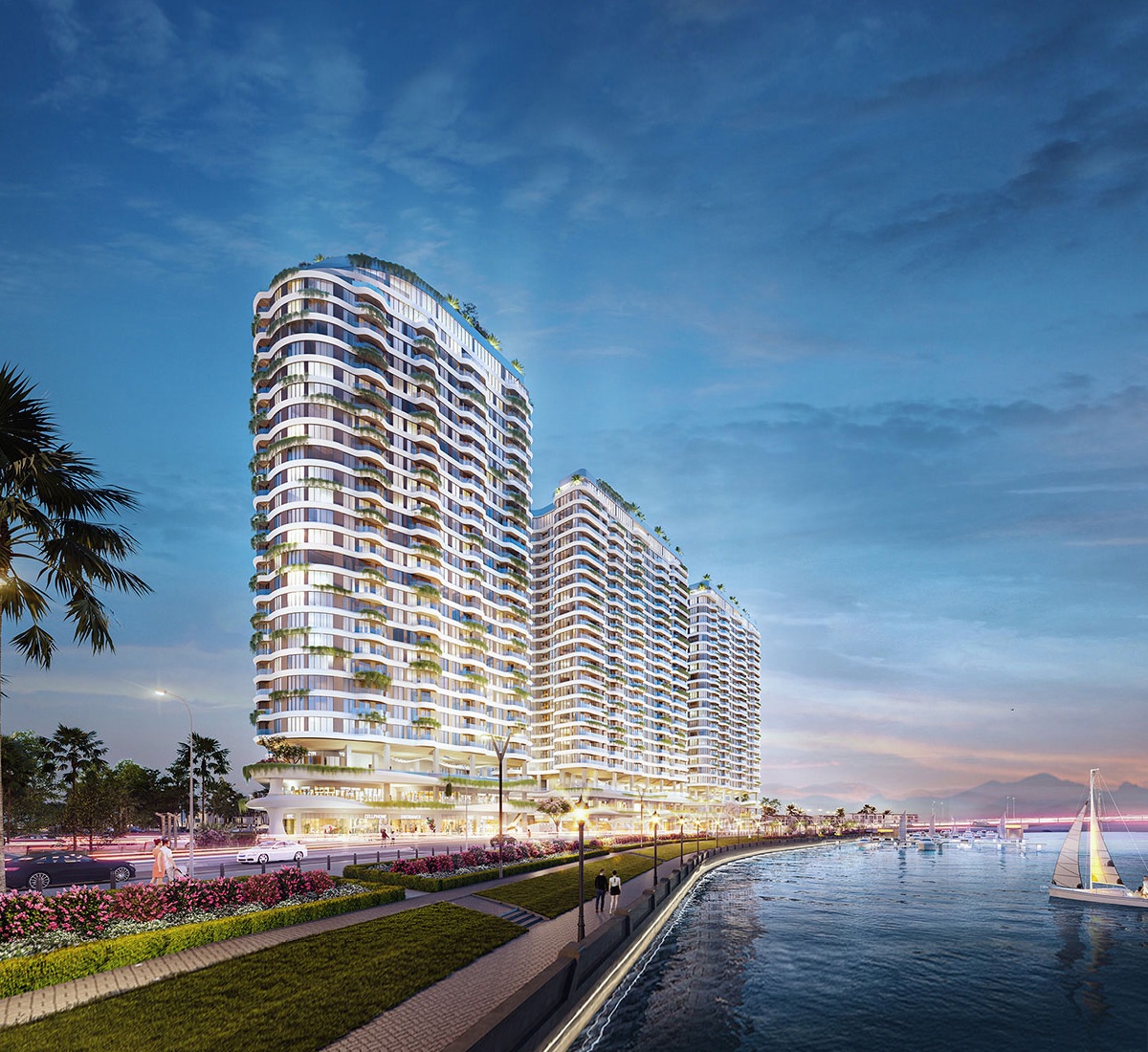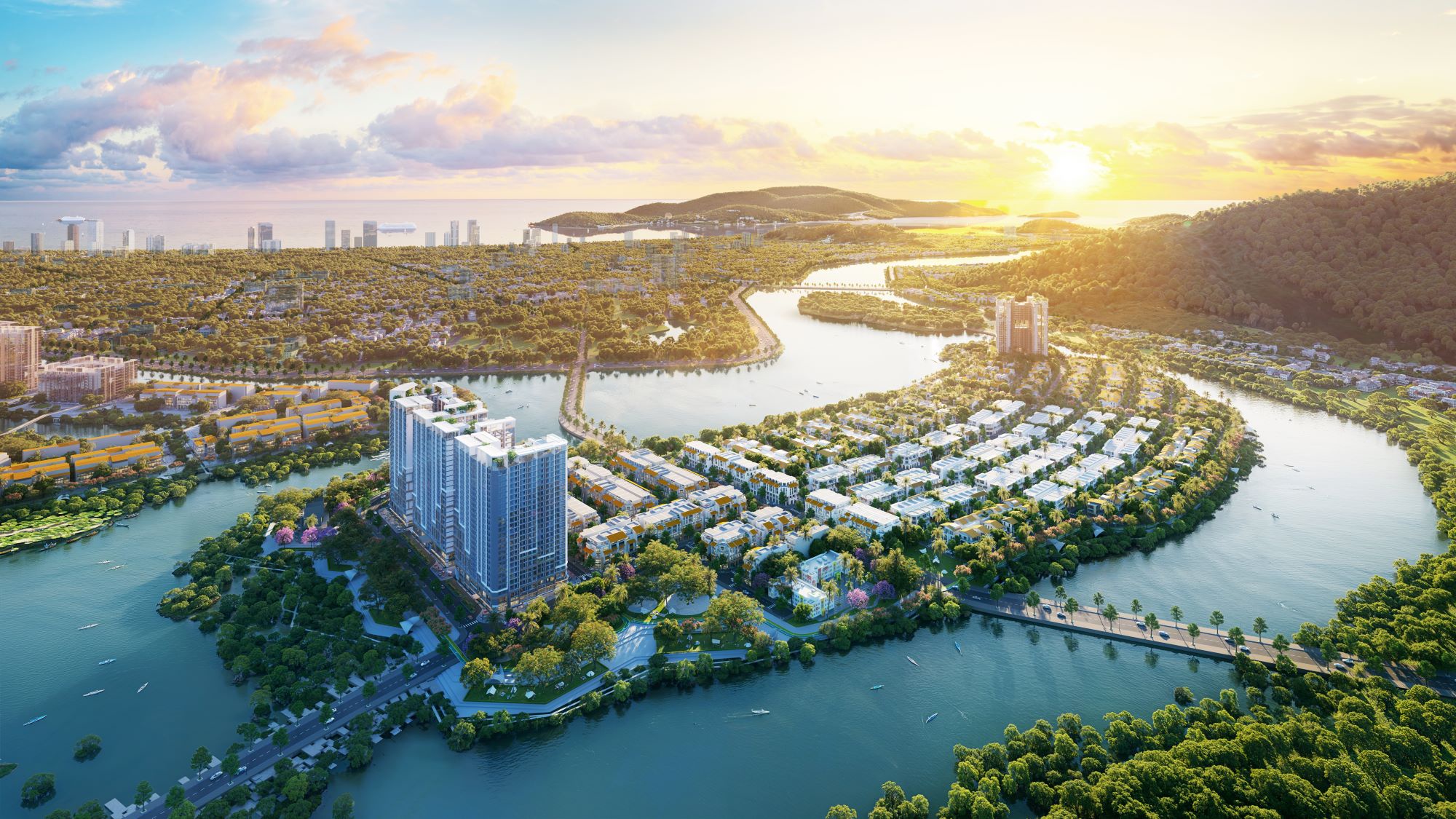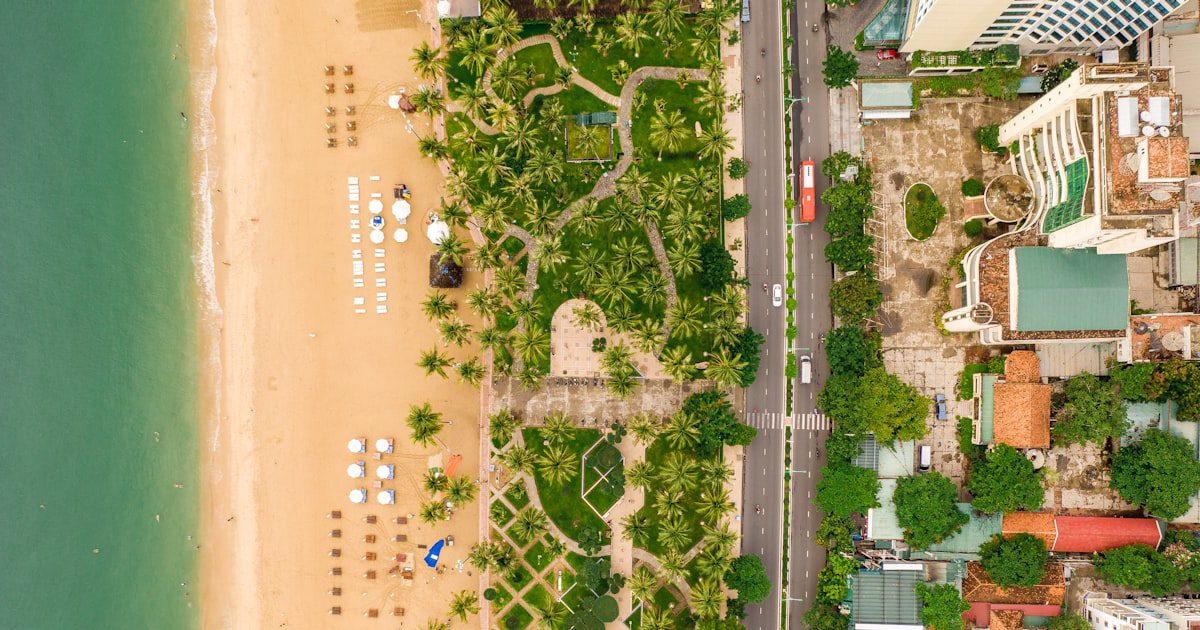
Nha Trang is the main resort city of the central coast: an island-studded bay, a seven-kilometre promenade and direct flights from Russia, Korea and China into Cam Ranh airport some 35 km to the south. The market here is tourism-driven, and that shapes everything from floor plans to the occupancy calendar.
Since 1 July 2025 Khanh Hoa province has been merged with Ninh Thuan, with the administrative centre staying in Nha Trang. The new province is 8,500 km² of coastline, from the Van Phong economic zone in the north to Phan Rang in the south.
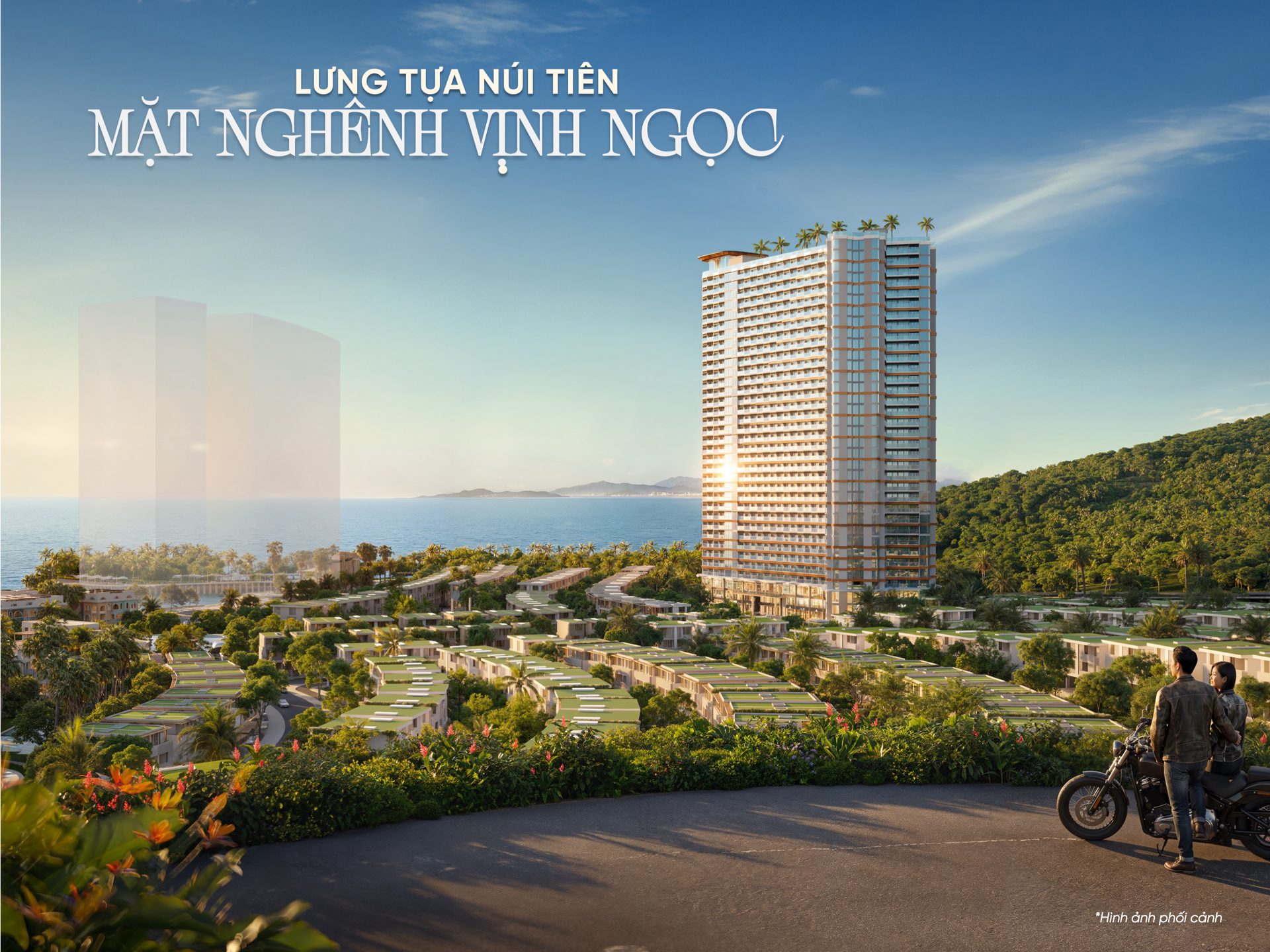
The city runs along the sea, and price depends heavily on which part of the bay a building sits in. The centre has the densest infrastructure and the oldest resort stock. The north — Vinh Hoa and Bai Tien — is where new construction went, and where the large projects in our catalogue are concentrated. The south, towards Cam Ranh, is resort development on separate stretches of coast: quieter and cheaper, but without a city around it.
Nha Trang lives on tourism, so rental income is seasonal and depends on air connectivity far more than in Da Nang or Ho Chi Minh City. Direct routes open and close, and occupancy moves with them. Calculating yield from peak months is a mistake here: look at annual occupancy and at whether the project has a professional management operator.
A large share of the resort supply is condotels and apartments inside hotel complexes, which is legally not the same thing as an apartment in a residential building: different ownership format, different term, different rights. Verify the status before you pay a deposit.
The differences between ownership formats, and what a foreigner actually receives, are explained in our reference on property ownership rights.