Hai Phong is Vietnam's third-largest city and the north's main port. It is neither a resort nor a capital: the housing market rests on industry and logistics, and the typical tenant is a plant engineer or manager rather than a tourist.
Since 1 July 2025 the city has been merged with Hai Duong province: 3,200 km², more than 4.66 million residents, with the political and administrative centre moved to Thuy Nguyen on the north bank of the Cam river. Cumulative foreign investment in the merged Hai Phong now exceeds 50 billion dollars.
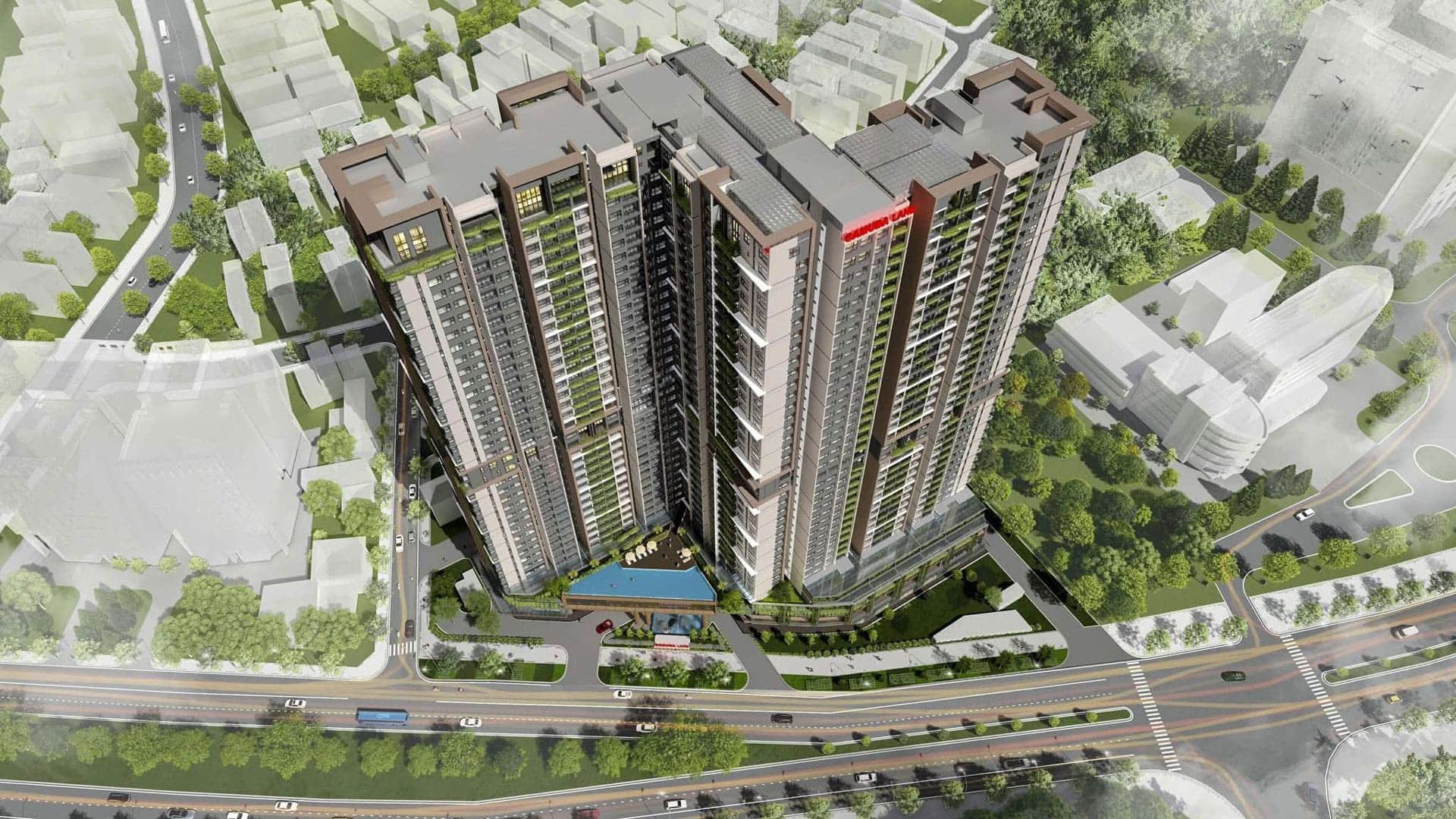
Modern housing is built compactly and mostly in two areas: Le Chan in the south-west, along Vo Nguyen Giap boulevard, and Ngo Quyen closer to the centre — that is where the projects in our catalogue are. The north bank of the Cam, Thuy Nguyen, is being developed around the new administrative centre: a site with a future rather than an established neighbourhood.
Lach Huyen deep-water port now works six berths — berths three to six came into service during 2025 — and handles the largest container vessels afloat. For 2026 Hai Phong is targeting 3.8–4.3 billion dollars of foreign direct investment into its industrial parks and economic zones. The Lao Cai–Hanoi–Hai Phong railway, started in December 2025, will connect the port directly to the Chinese border.
Hai Phong is a rental market rather than a resale one: it makes sense for steady income from corporate tenants, not for quick revaluation. The secondary market is narrow and foreign buyers are few, which you feel on the way out. Look closely at proximity to industrial zones as well — what supplies the tenant is not always pleasant to live next to.
How to budget a transaction and which payments to allow for is set out in our reference on buying property as a foreigner.